
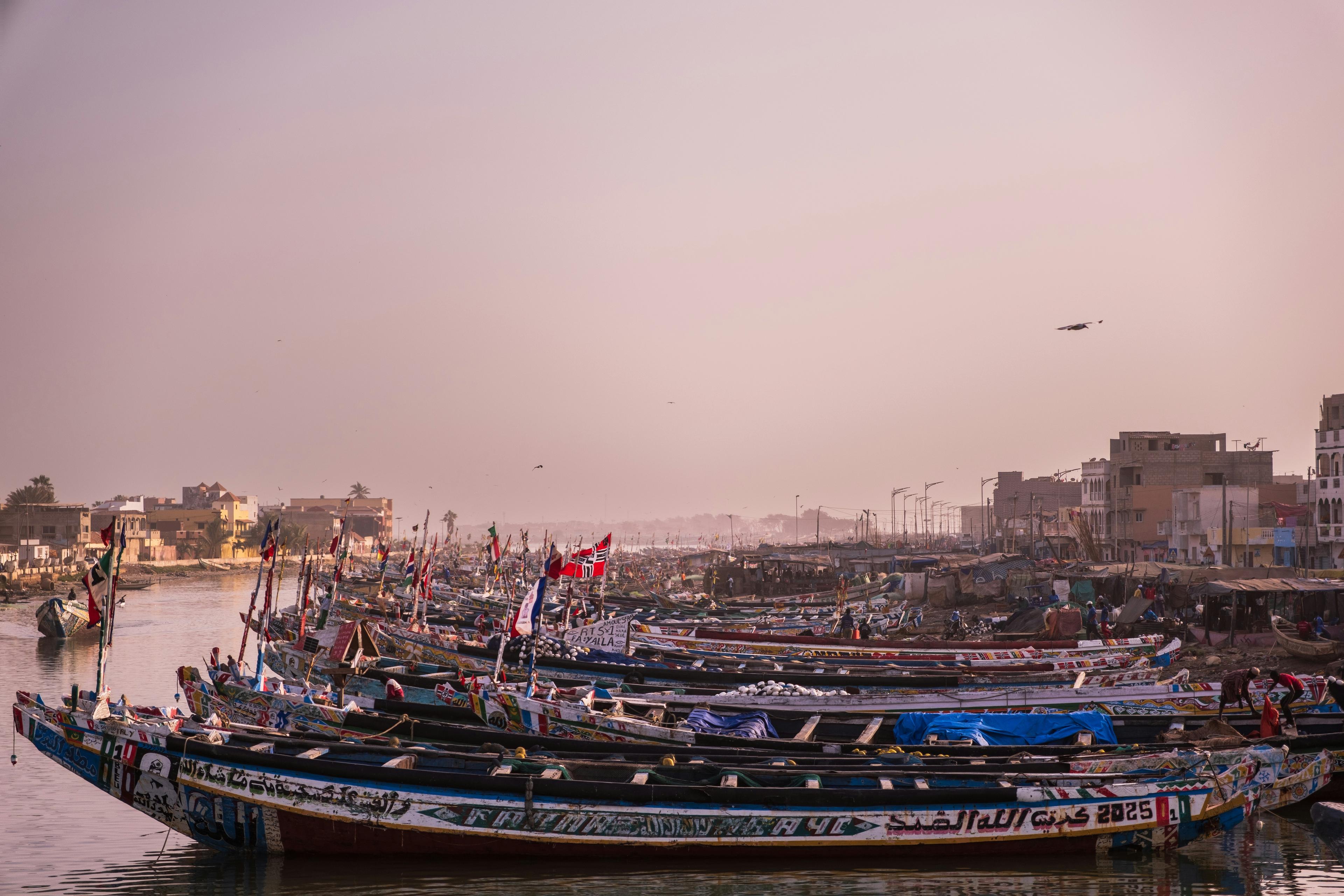
DiscoverDemonstration listing
Food & Culinary
Cook ceebu jën where it was perfected
- Location
- Saint-Louis
- Operator
- Operator not yet onboarded
- Booking
- Not yet bookable
Price not yet confirmed
Details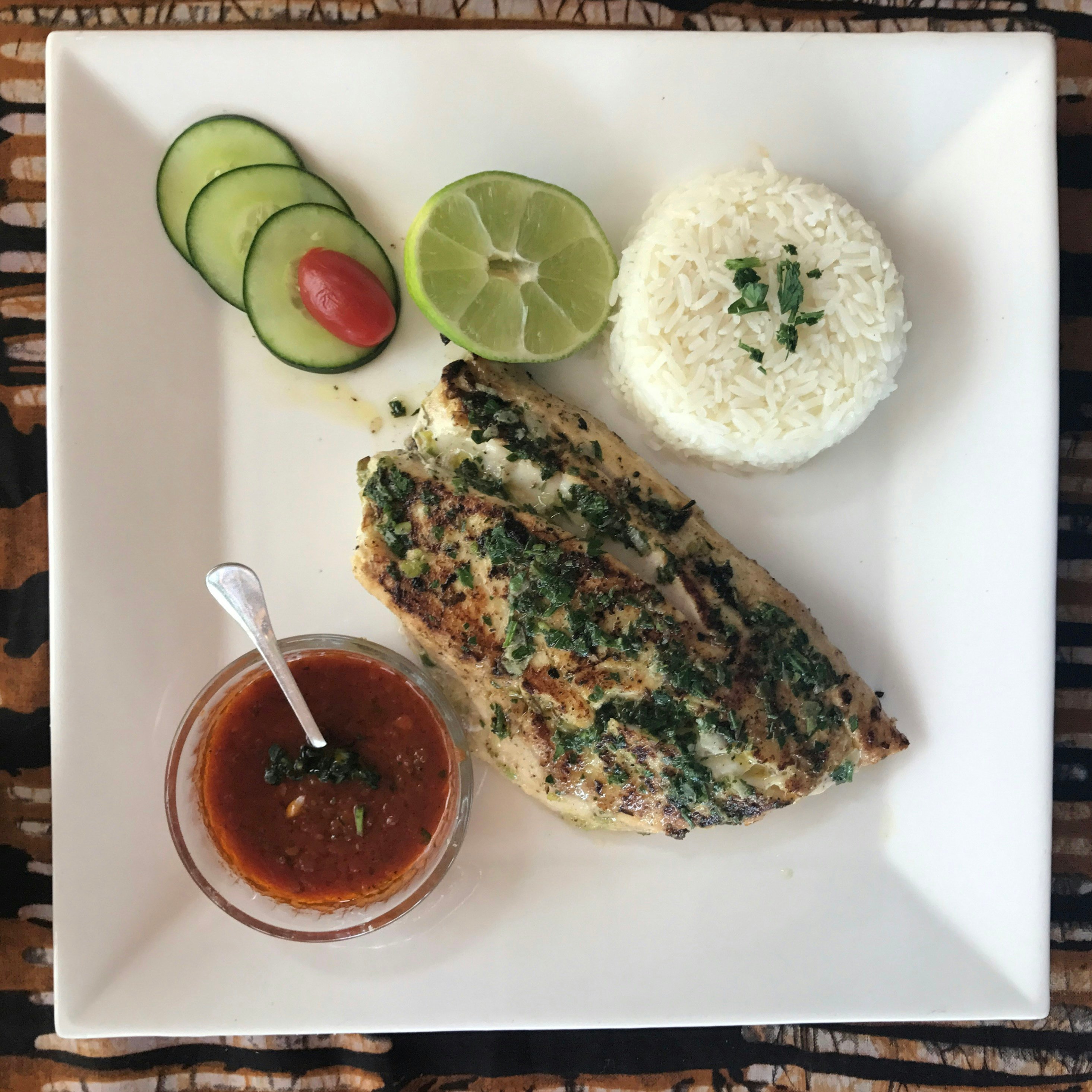
Dakar, Senegal · Photo: Djibril Diallo / Unsplash
The dishes
01
also written Thieboudienne
Main
Rice and fish — the national dish, and UNESCO-recognised heritage.
Fish stuffed with a parsley, garlic and chilli paste (rof) is simmered with vegetables such as cassava, cabbage, carrot and aubergine; the rice is then cooked in that deeply flavoured broth. There are red (tomato) and white versions, and the crisp rice from the bottom of the pot — xoon — is prized. Widely said to have been perfected in Saint-Louis, the culinary art of ceebu jën was inscribed on UNESCO's intangible heritage list in 2021.
Key ingredients
02
Main
Onions, lemon and mustard — bright, sharp and slow-cooked.
Chicken or fish is marinated in lemon or lime juice with onions, mustard and pepper, then grilled or browned before the onions are cooked down into a soft, tangy sauce. Served over white rice, yassa is widely associated with Casamance and is now eaten across Senegal.
Key ingredients
03
Main
A rich groundnut stew from the heart of peanut country.
Meat — often beef or lamb, sometimes chicken — is simmered in a sauce built on groundnut (peanut) paste and tomato, with vegetables such as sweet potato, cassava or cabbage. Thick, savoury and comforting, mafé is served over rice and is cooked across West Africa in many variations.
Key ingredients
04
Celebration
Rice with meat — the dish of family gatherings and feast days.
'Yapp' means meat in Wolof. Lamb or beef is browned and cooked with plenty of onion, and the rice is cooked in the seasoned meat broth. Simpler than ceebu jën but generous by nature, it is a classic of celebrations and Tabaski tables.
Key ingredients
05
Main
A deep, tomato-forward stew — distinct from its Gambian namesake.
In Senegal, domoda usually describes a richly reduced, tomato-forward stew of meat or fish served over rice, sometimes thickened and often with sweet potato or squash. Across the border in The Gambia the same name commonly refers to a peanut stew closer to mafé — a reminder of how dishes travel and change. Recipes vary from home to home.
Key ingredients
06
also written Cere
Celebration
Steamed millet couscous, central to the night of Tamkharit.
Millet flour is rolled into fine grains and steamed — traditionally in a pot over a pot — to make thiéré. It is eaten with a meat-and-vegetable sauce, with a leafy sauce, or sweetened with curdled milk. Thiéré with meat is the customary meal of Tamkharit, the celebration marking the Islamic new year.
Key ingredients
07
Street food
Fried turnovers filled with spiced fish or meat.
Half-moon pastries filled with seasoned fish or minced meat, fried until golden and sold from street stalls and family kitchens, usually with a spicy tomato-and-onion sauce. The name echoes the Levantine fatayer — a trace of Senegal's long-established Lebanese community.
Key ingredients
08
Street food
Small, crisp fish pastries made for sharing.
Smaller than fataya and usually filled with seasoned fish, pastels are fried until crisp and served in quantity at parties, ceremonies and street corners, with a sharp tomato-onion-chilli dipping sauce. Making them is often a collective task for family and friends before a celebration.
Key ingredients
Drinks
Green tea with mint and lots of sugar, poured from height to raise a foam and served in three rounds — a ritual of conversation and hospitality.
A deep-red drink made from hibiscus flowers, served chilled, often with mint.
Coffee spiced with selim pepper (djar), named after the holy city of Touba.
A creamy drink made from the pulp of the baobab fruit.
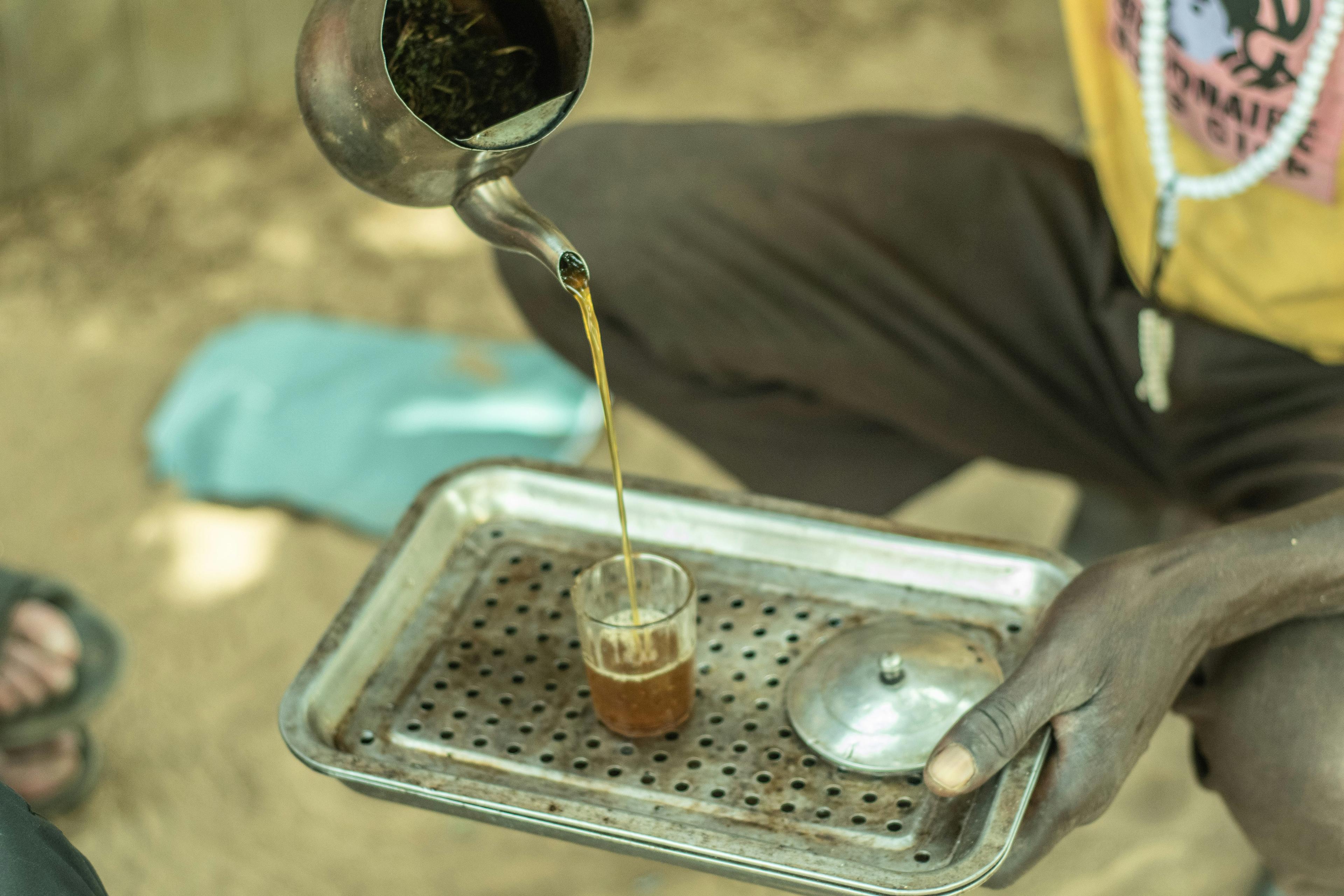
Senegal · Photo: Carlos Torres / Unsplash
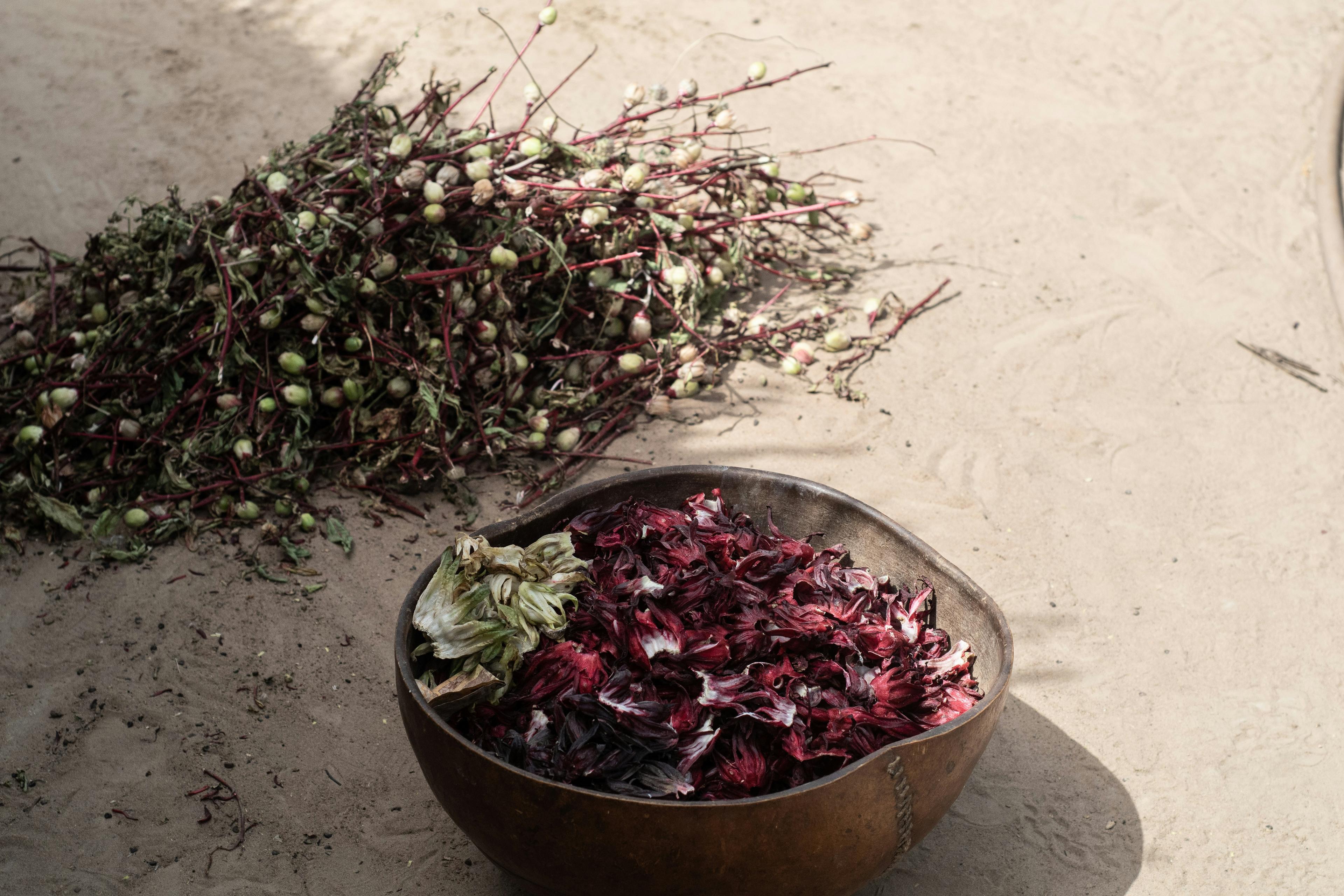
Senegal · Photo: Carlos Torres / Unsplash
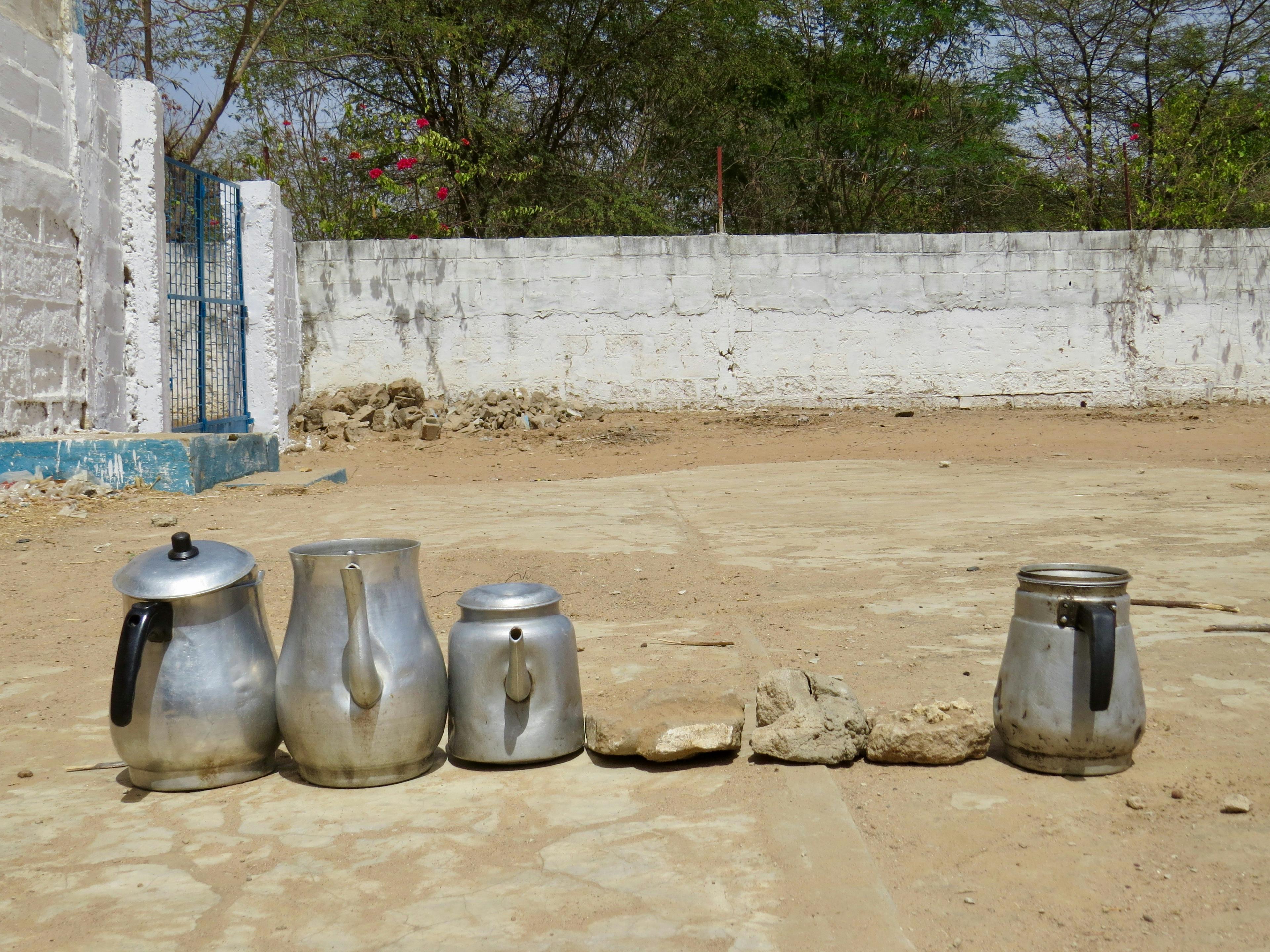
Ndem, Senegal · Photo: E. Diop / Unsplash
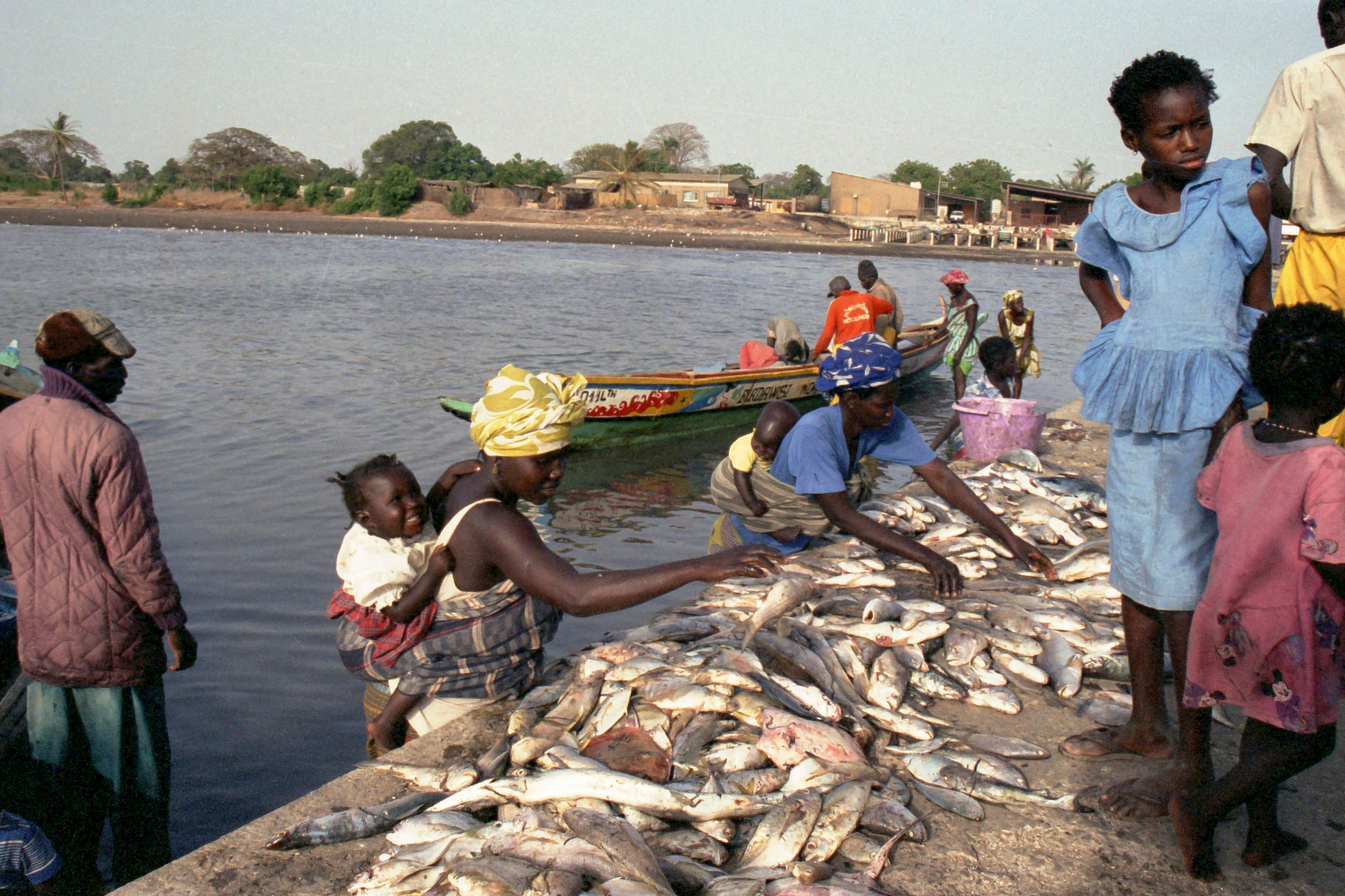
Toubacouta, Senegal · Photo: Wietse Jongsma / Unsplash
Culinary experiences
Food & Culinary
Price not yet confirmed
Details
Food & Culinary
Price not yet confirmed
DetailsFood & Culinary
Price not yet confirmed
Details
The Senegal Culinary Discovery guide is in preparation.
See travel guidesEstamos traduciendo nuestros contenidos al español. Algunas páginas aún aparecen en inglés.