By Flavors of Senegal Editors · · 4 min read
Ask anyone in Senegal to name the national dish and the answer will come before you finish the question: ceebu jën. In Wolof, ceeb is rice and jën is fish. The name is plain; the dish is anything but.
A dish built in layers
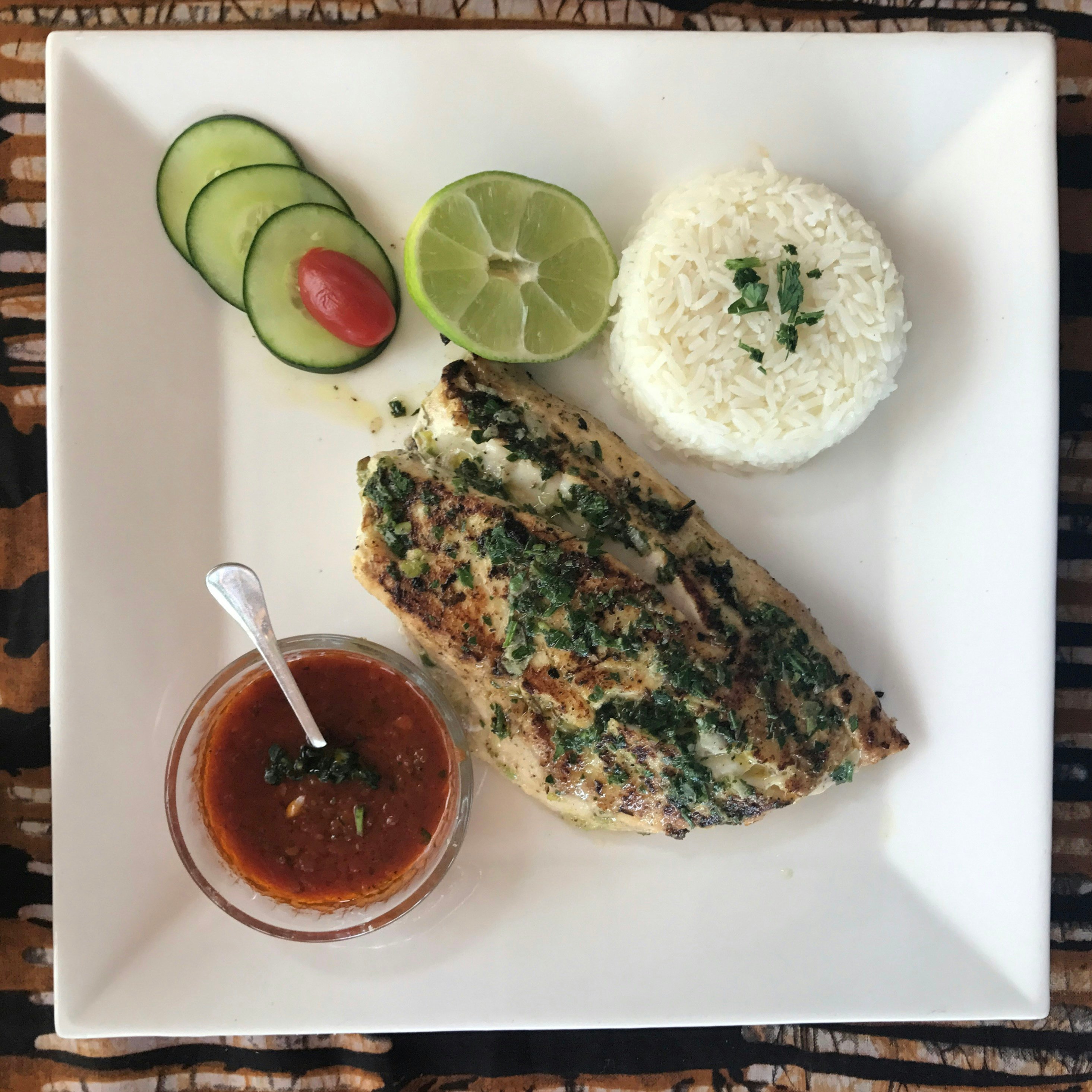
Ceebu jën begins with the fish, scored and stuffed with rof — a paste of parsley, garlic, chilli and seasoning. The fish is browned, then simmered with tomato and an array of vegetables: cassava, cabbage, carrot, aubergine, perhaps a bitter jaxatu. When everything is tender it comes out of the pot, and the rice goes in to absorb all of that broth.
The result is served in a single large bowl, rice spread across the base, fish and vegetables arranged in the centre. People eat together, each from the portion in front of them. The best part, many will tell you, is the xoon — the crisp layer of rice from the bottom of the pot.
Saint-Louis and a name to remember
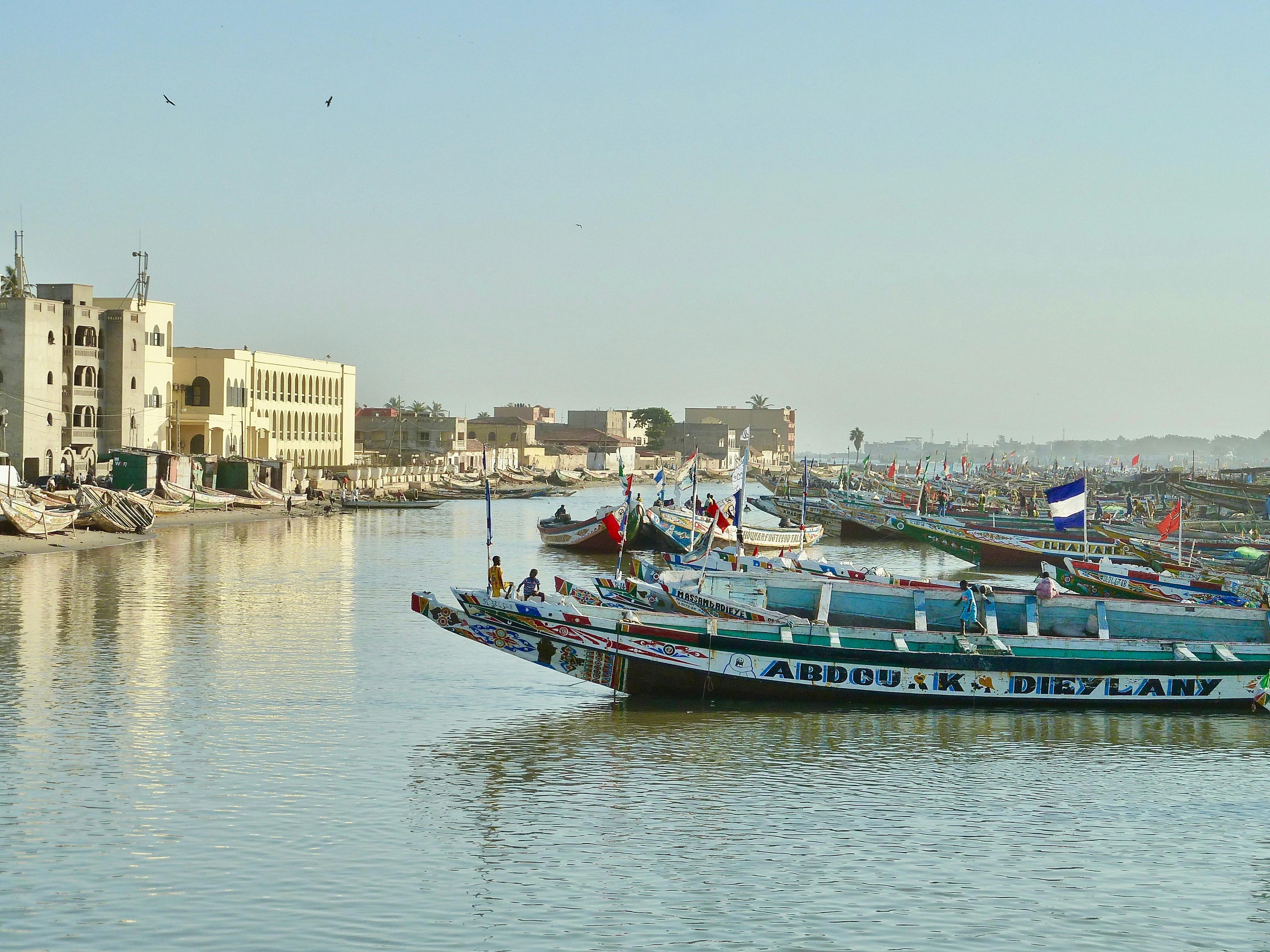
Saint-Louis is widely considered the cradle of ceebu jën, and a popular tradition credits its refinement to a cook from the city named Penda Mbaye. Whatever the precise origin, cooks from Saint-Louis are still held up as the standard.
In December 2021, 'Ceebu jën, a culinary art of Senegal' was inscribed on UNESCO's Representative List of the Intangible Cultural Heritage of Humanity — recognition not only of a recipe but of the knowledge, the shared meal and the values of teranga (hospitality) that surround it.
The dish is plain in name, layered in method, and generous by design.
We are working with home cooks and culinary hosts to offer ceebu jën experiences in Saint-Louis and Dakar. They will appear in our Experiences section as soon as they are confirmed.
Regions in this story