By Flavors of Senegal Editors · · 4 min read
Saint-Louis sits on a narrow island in the Senegal River, just before it meets the Atlantic. Founded as a French trading post in the seventeenth century, it became the capital of the colony of Senegal and, until the early twentieth century, of French West Africa.
Its grid of streets, lined with houses with wooden balconies and inner courtyards, earned the historic island centre a place on the UNESCO World Heritage List in 2000. The iron Faidherbe Bridge connects the island to the mainland.
A city of the river and the sea
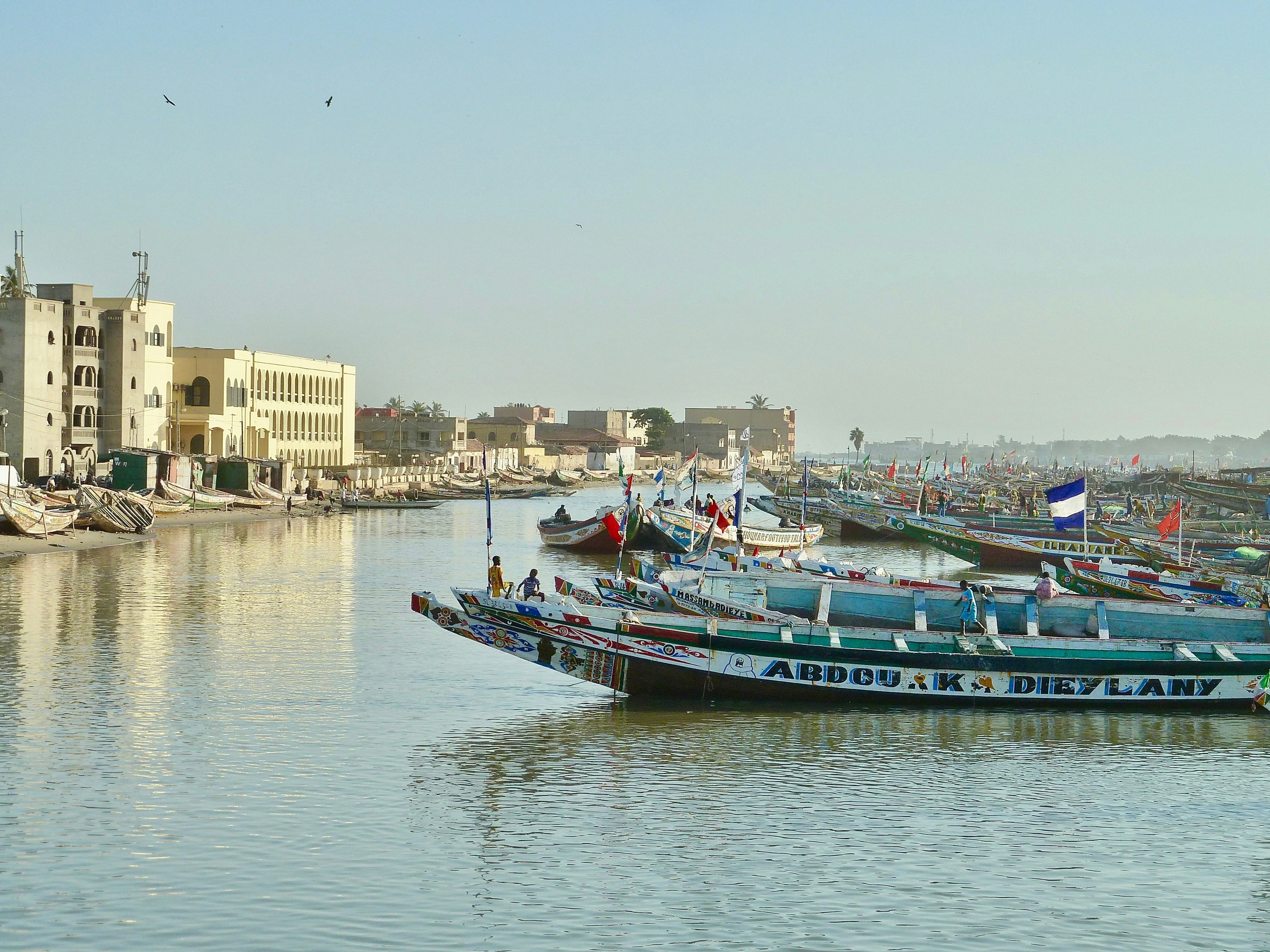
Across a second channel lies the Langue de Barbarie, a long sand spit between river and ocean, where the fishing quarter of Guet Ndar launches one of the most extraordinary fleets of painted pirogues on the West African coast.
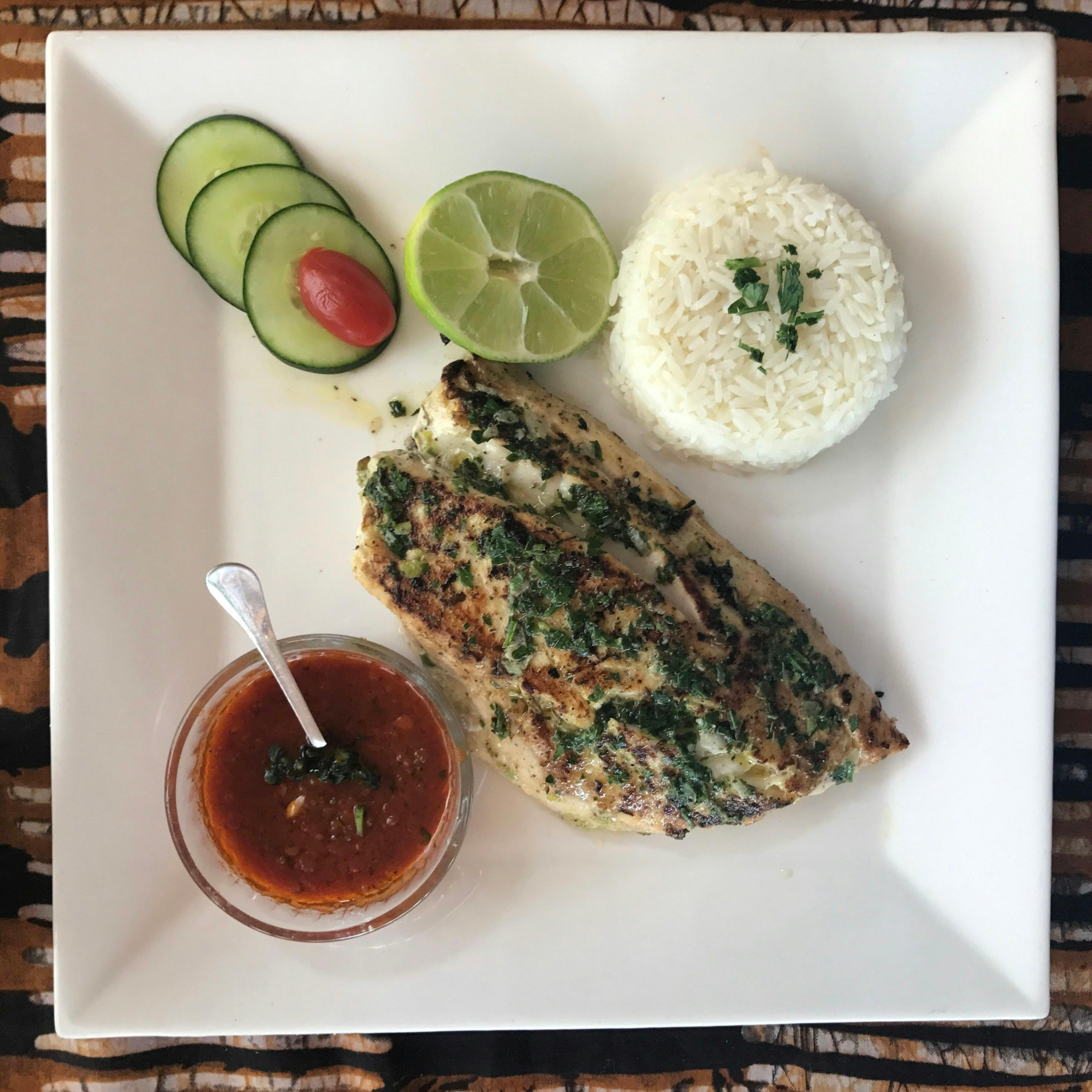
Saint-Louis is also a city of culture, known for its jazz festival and its place in the story of Senegalese cuisine. Further upriver, the wetlands of Djoudj — another UNESCO site — are a haven for migratory birds.
Regions in this story