Skip to content
Flavors of Senegal
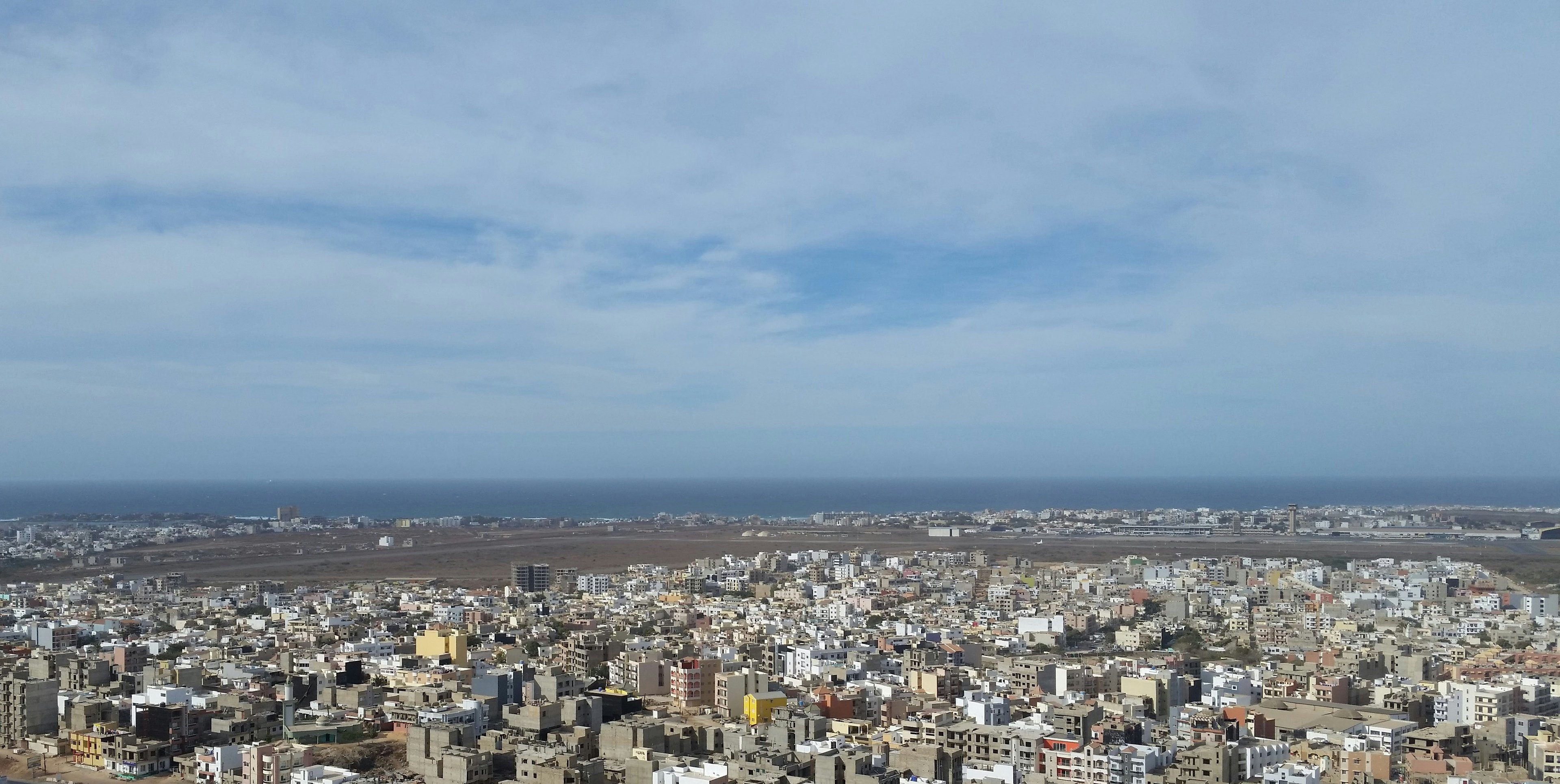
Dakar's rooftops stretching to the Atlantic, seen from the African Renaissance Monument
Coast & Cap-Vert · Region of Senegal

Dakar

A capital at the westernmost edge of mainland Africa.

Dakar, Senegal · Photo: Karen Nash / Unsplash

Overview

The smallest of Senegal's regions by area and the most densely populated, Dakar occupies the Cap-Vert peninsula — the westernmost point of mainland Africa. It is the country's political, economic and cultural capital: a city of Atlantic cliffs and fishing beaches, galleries and live music, markets and some of the best cooking in West Africa.

Regional capital
Dakar
ISO 3166-2
SN-DK
Cultural areas
Cap-Vert Peninsula, Lebou coast

Highlights & attractions

Places and traditions we can describe with confidence. Opening hours, fees and access change — always confirm locally.

  • Île de Gorée

    A UNESCO World Heritage island and a place of memory of the Atlantic slave trade, a short ferry ride from the city.

  • Lac Rose (Lake Retba)

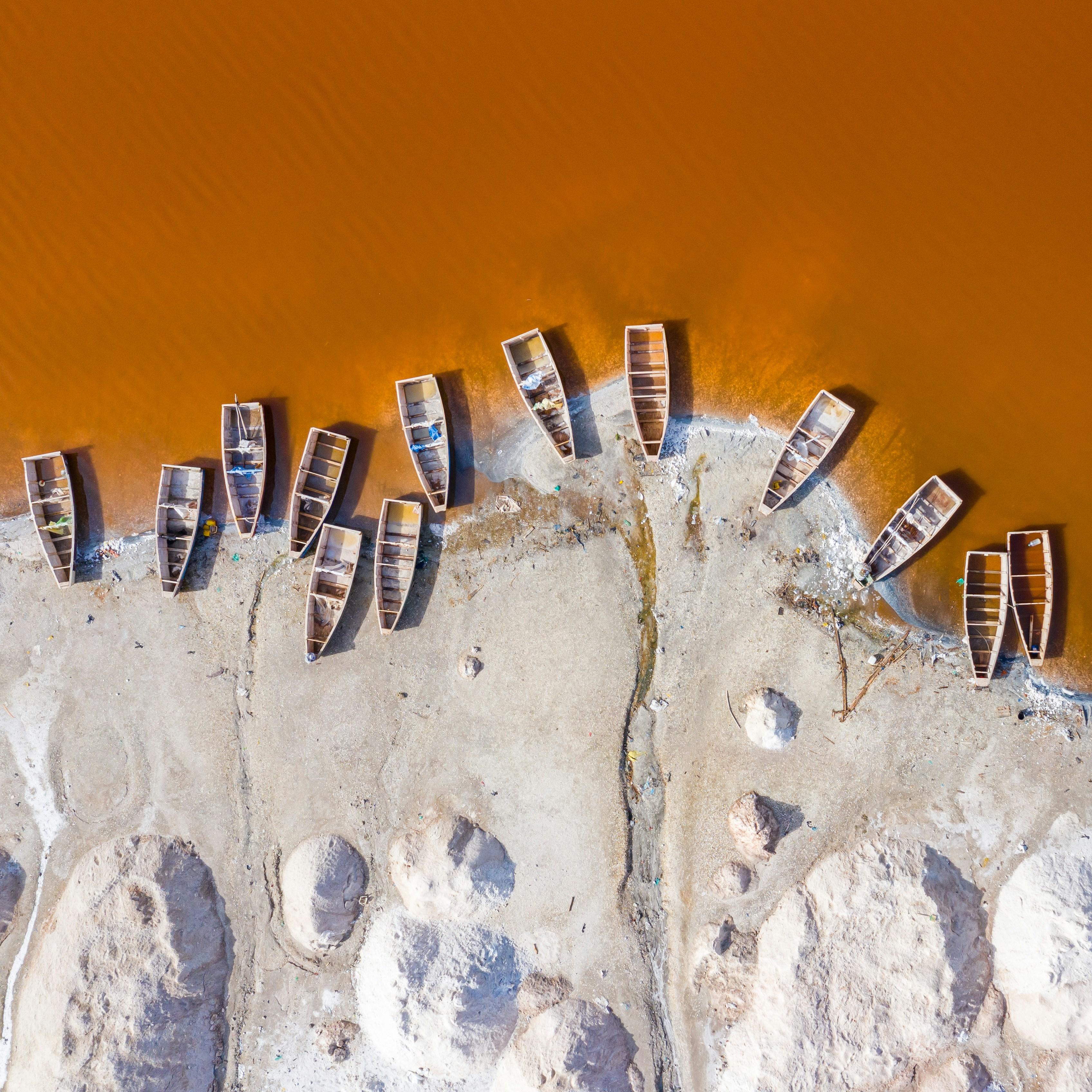
    A shallow, salt-rich lake known for its pink hues in the right conditions, and for its salt harvesters.

  • Ngor Island

    A small island reached by pirogue from Ngor village, popular for swimming and surfing.

  • Museum of Black Civilisations

    A major museum opened in 2018 dedicated to the cultures of Africa and its diaspora.

  • African Renaissance Monument

    A monumental bronze statue on one of the Mamelles hills, with sweeping views over the city.

  • Corniche & Mosque of the Divinity

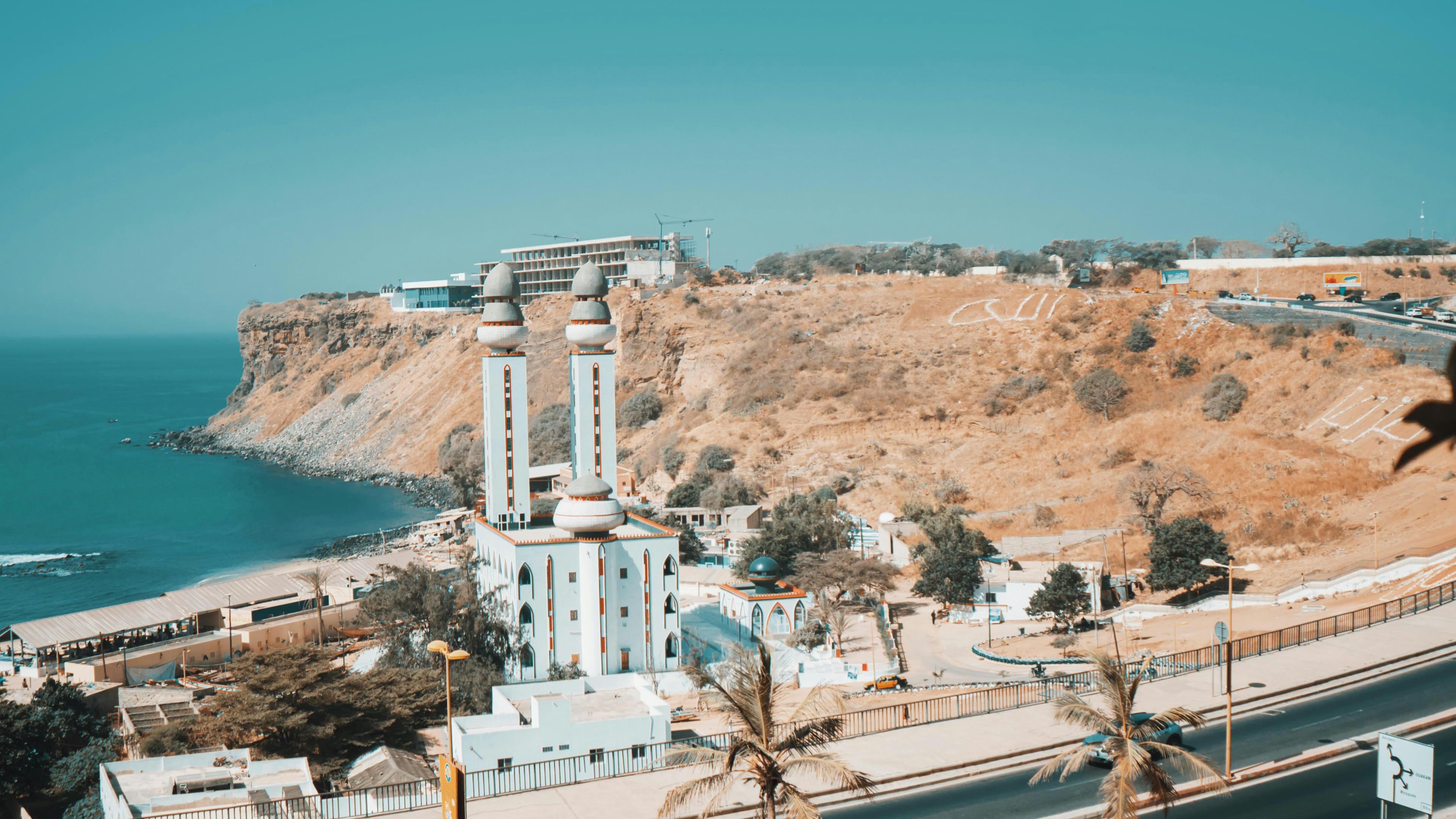
    The coastal road and the cliff-top mosque at Ouakam, beside the Atlantic.

Geography

The region covers the Cap-Vert peninsula and its immediate hinterland, including the cities of Dakar, Pikine, Guédiawaye and Rufisque. Its Atlantic coastline alternates between basalt cliffs, the volcanic hills known as the Mamelles, and long sandy beaches.
History & heritage

The Lebou, a fishing community with deep roots on the peninsula, founded many of the villages that the city grew around — Yoff, Ngor, Ouakam and others still retain a strong identity. Dakar became the capital of French West Africa in the early twentieth century and of independent Senegal in 1960.

Gorée Island, inscribed on the UNESCO World Heritage List in 1978, is visited as a place of remembrance of the Atlantic slave trade.

Culinary traditions

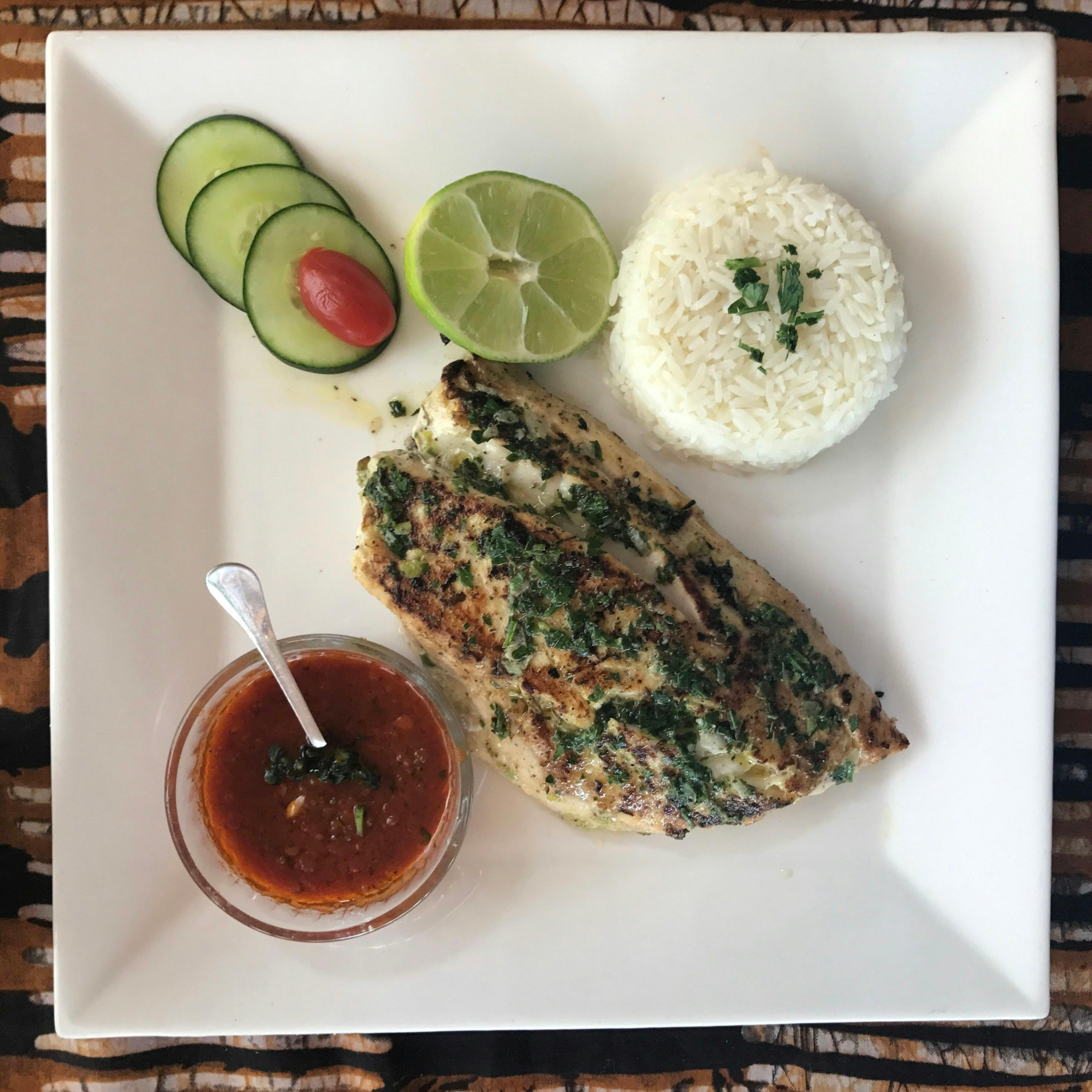
Dakar is the best place in the country to taste the full range of Senegalese cooking — from ceebu jën at a family table to grilled fish on the beach at Soumbédioune, dibi (grilled meat) stalls and the street snacks of fataya and pastels. The city's restaurants also reflect Lebanese, Cape Verdean, French and wider West African influences.

Editorial research in progress

Landscapes & ecology

What this section will cover: Coastal ecology of the Cap-Vert peninsula, the Niayes wetlands near Lac Rose, and the Madeleine Islands.

We publish only what we have verified. This section will appear once our editors complete their research.

Rural communities

Even within the capital region, the Lebou fishing villages and the market-garden belt of the Niayes towards Lac Rose offer a different pace from the city centre.

Getting there & around

International flights arrive at Blaise Diagne International Airport (DSS), near Diass, which lies well outside central Dakar — arrange your transfer in advance. The TER regional express train links central Dakar with its eastern suburbs.

Road conditions, ferry schedules and journey times change — we do not publish fixed durations. Confirm with your transport provider, guide or accommodation shortly before travel.

When to go

Like the rest of Senegal, the region has a long dry season and a shorter rainy season (roughly July to October, with the heaviest rains usually in August and September). Most visitors come during the dry months, when roads are easiest and humidity is lower; the cooler Atlantic trade winds make the coast especially comfortable from December to April.

Dates of religious and cultural events follow the lunar calendar or organisers' announcements and shift each year — always confirm before you travel.

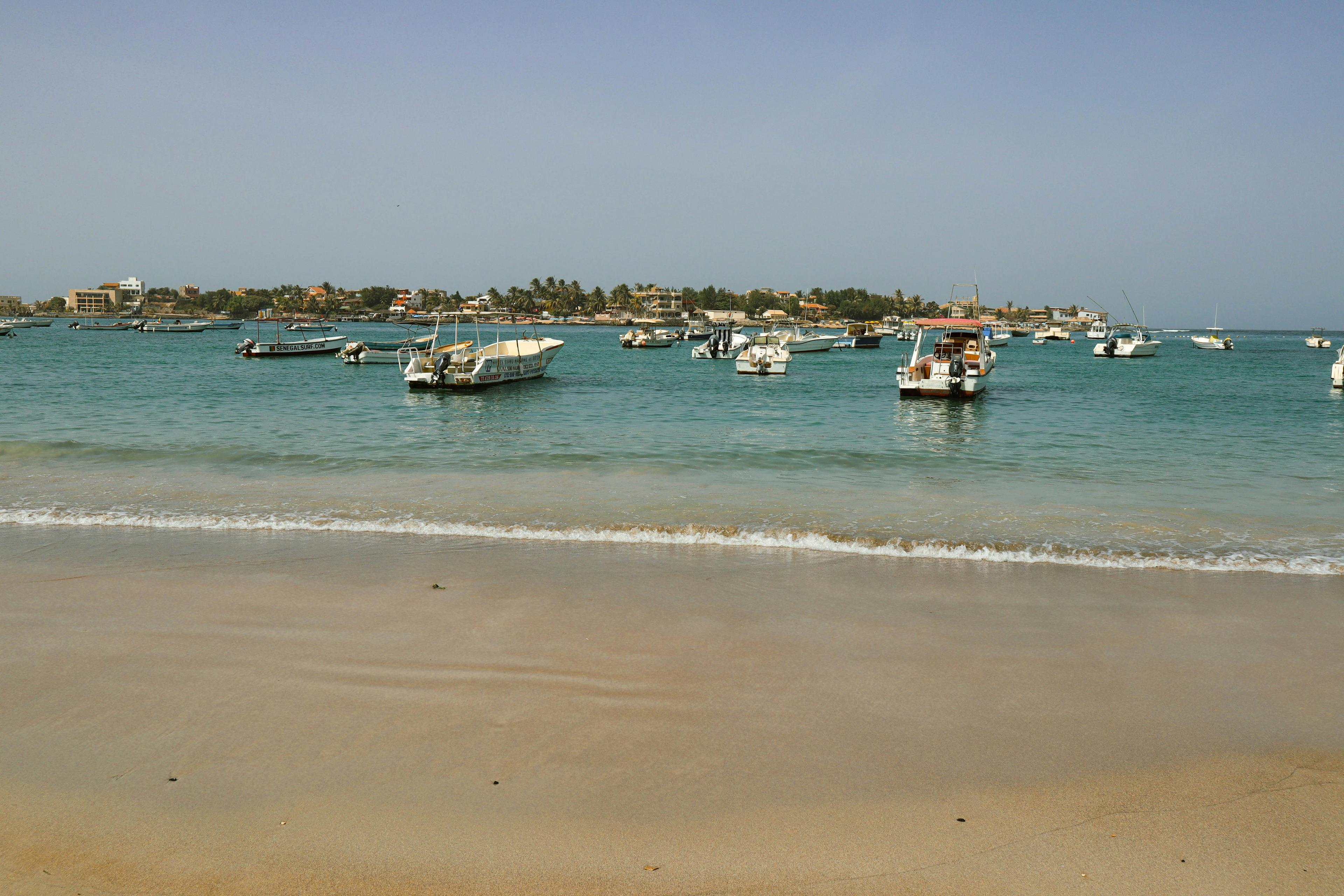
Boats anchored in the calm blue bay at Ngor

Ngor, Dakar, Senegal · Photo: Dodji Abah-Dakou / Unsplash

The Mosque of the Divinity on the cliffs of Ouakam beside the Atlantic

Corniche Ouest, Ouakam, Dakar, Senegal · Photo: Eyelit Studio / Unsplash

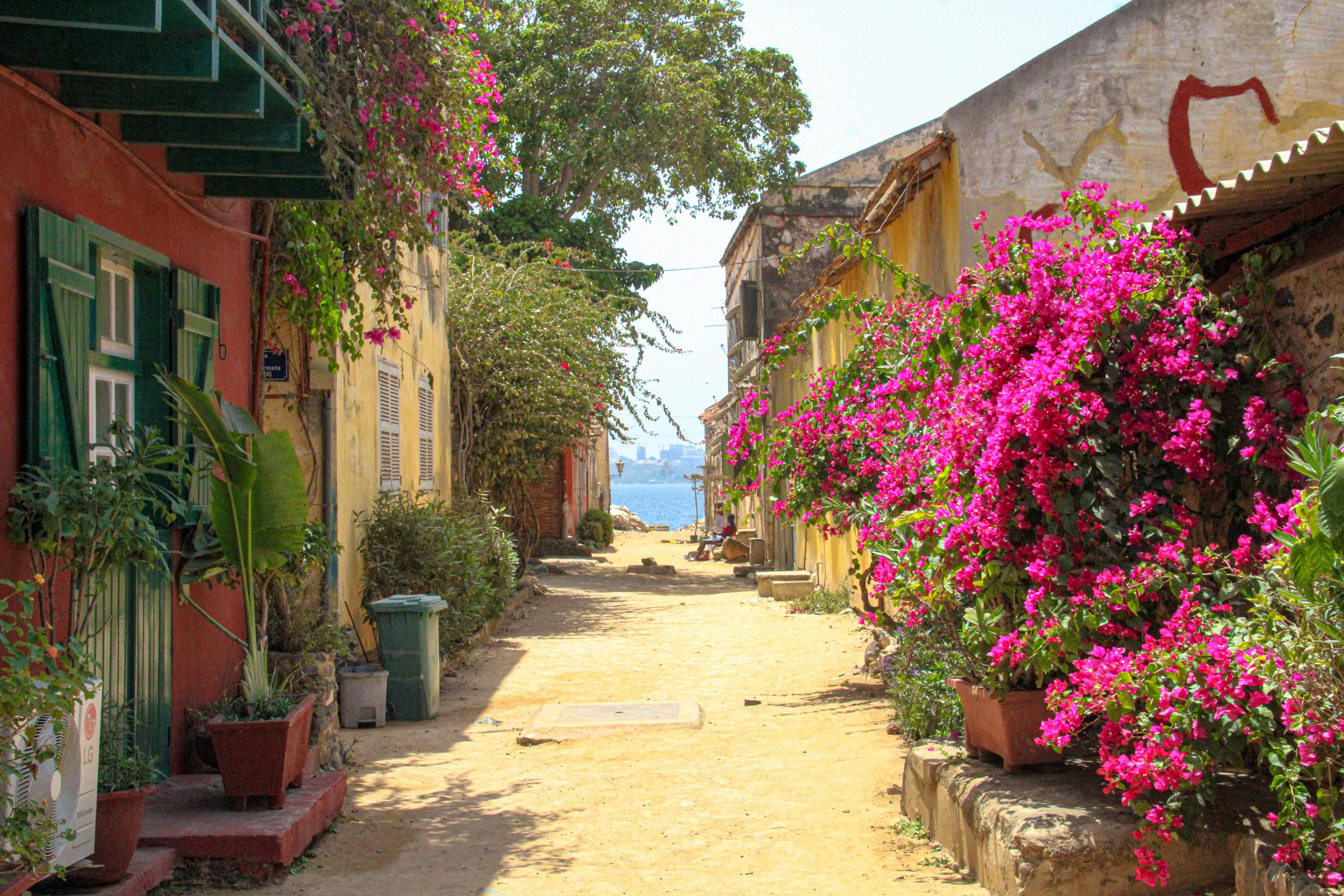
A narrow sandy street on Gorée Island lined with ochre houses and bougainvillea

Île de Gorée, Dakar, Senegal · Photo: Sweder Breet / Unsplash

Aerial view of salt-harvesting boats along the shore of Lac Rose

Lac Rose (Lake Retba), Senegal · Photo: Curioso Photography / Unsplash

Destinations & sites

See them on the interactive map

Departments, towns & villages

The Dakar region is divided into 5 departments. Our gazetteer lists 274 towns, villages and natural sites here.

Search towns & villages in Dakar

Experiences in Dakar

Where to stay

We have not yet verified accommodation partners in Dakar. You can search available properties with an external booking provider; your booking is made with and confirmed by that provider.

Search stays in Dakar on Booking.com

Part of these cultural areas

Related stories

People and local stories from Dakar will be published with their permission as our partner network grows.

Next region: Thiès