Skip to content
Flavors of Senegal
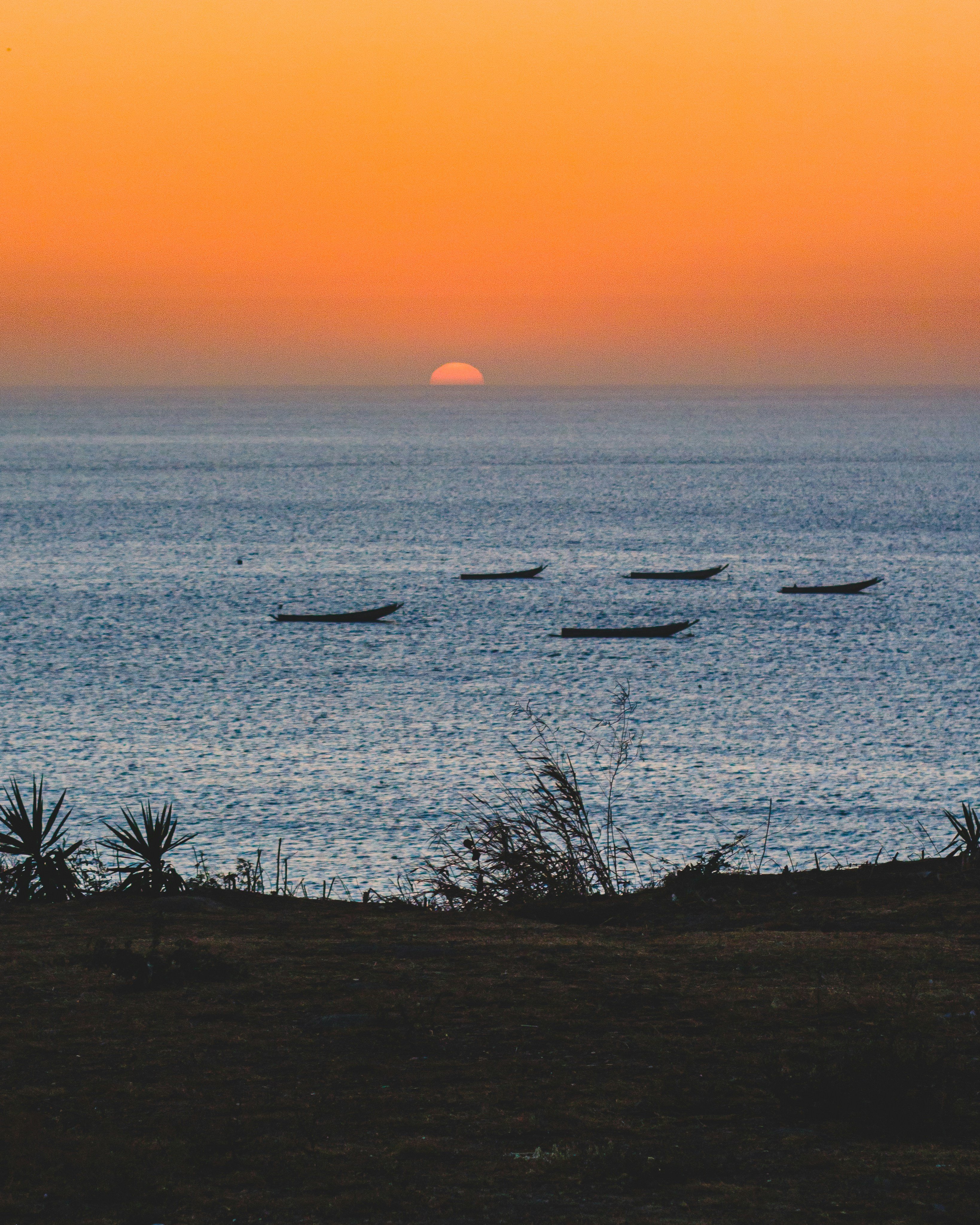
Pirogues moored on the ocean beneath a red sunset off Dakar
Checked against official sources on 21 November 2026

Senegal Travel Essentials

The practical things to know before you go — entry, health, money, getting around and staying safe — with links to the official sources we checked.

Dakar, Senegal · Photo: Jean-Karim Dangou / Unsplash

Rules change. This page is general information, not legal, medical or official travel advice. Always confirm with your government's travel advice, a Senegalese embassy or consulate, and a travel-health professional before you book and before you fly.

When to go

Senegal has a long dry season and a shorter rainy season, roughly July to October. The coast is cooled by Atlantic winds and is especially comfortable from December to April; inland regions get very hot from March until the rains arrive. The south (Casamance) is much wetter than the north.

Many festivals and holy days, including Tabaski, Korité, the Gamou and the Grand Magal of Touba, follow the Islamic lunar calendar and move earlier each year.

Entry requirements and visas

Citizens of the UK, France and Canada do not need a visa for tourist stays of up to three months (90 days). Each government states that your passport should be valid for at least six months — check whether that is counted from your arrival or departure for your nationality.

Officials may ask to see proof of onward travel and of where you are staying. Longer stays require registration and a residence card after arrival.

US citizens and other nationalities: check the US State Department page or your nearest Senegalese embassy or consulate for the current rules before you book.

Health and vaccinations

Yellow fever: a vaccination certificate is required for travellers aged 9 months and over arriving from a country with a risk of yellow fever (transit rules differ between sources). The CDC recommends the vaccine for all travellers aged 9 months and over.

Malaria: transmission occurs throughout Senegal. The CDC recommends prescription medicine to prevent malaria — speak to a doctor or travel clinic, ideally 4–8 weeks before you travel.

The CDC also lists routine vaccines, hepatitis A, hepatitis B, typhoid and measles (MMR); meningococcal vaccine for travel in the dry season (about December–June); and rabies to discuss with your doctor. Comprehensive travel insurance with medical evacuation cover is strongly advised.

Money

The currency is the West African CFA franc (XOF), which has a fixed exchange rate with the euro: 1 EUR = 655.957 XOF.

Dakar has cash machines that accept foreign cards, but they are scarcer elsewhere, withdrawal limits can be low and machines sometimes run out of cash — carry enough for rural areas. Larger hotels accept cards; smaller businesses and markets usually want cash. Locally, mobile-money apps such as Wave and Orange Money are widely used.

Getting around

International flights arrive at Blaise Diagne International Airport (DSS), near Diass, well outside central Dakar — arrange your transfer before you land. In and around Dakar, the TER regional train links the city centre with its suburbs.

Taxis are plentiful; agree the fare before setting off. Between towns, shared 'sept-place' taxis and buses are common and inexpensive. A ferry links Dakar and Ziguinchor in Casamance. Traffic drives on the right.

Official advice from the UK, Canada and France is to avoid driving at night outside towns: roads can be poorly lit and some vehicles have no lights.

Phones, internet and power

Prepaid local SIM cards with data are sold by the main mobile operators; bring your passport, which is needed to register a SIM. Wi-Fi is common in hotels and cafés in cities, less so in rural areas.

Senegal is on GMT (UTC+0) all year, with no daylight saving time. Most sockets take European-style round-pin plugs and supply 230 V — bring a universal adapter.

Language and etiquette

French is the official language; Wolof is spoken very widely, alongside Pulaar, Serer, Jola, Mandinka and other languages. A greeting goes a long way — taking time to say hello properly is part of teranga, Senegalese hospitality.

Dress modestly in villages and especially at mosques and religious sites; in Touba, follow local rules (tobacco and alcohol are prohibited). Ask before photographing people. Use your right hand to eat, give and receive.

Safety

The UK lists no areas of Senegal under advice against all or all-but-essential travel, and advises avoiding travel at night in the Casamance region. Canada advises a high degree of caution because of crime, and flags Casamance and the border areas — including the borders with Mali and Mauritania — for specific risks.

Read your own government's current advice before you book and again before you travel; advice levels can change quickly.