
Geography
The region spans the lower Casamance River and its estuary, between The Gambia to the north and Guinea-Bissau to the south.
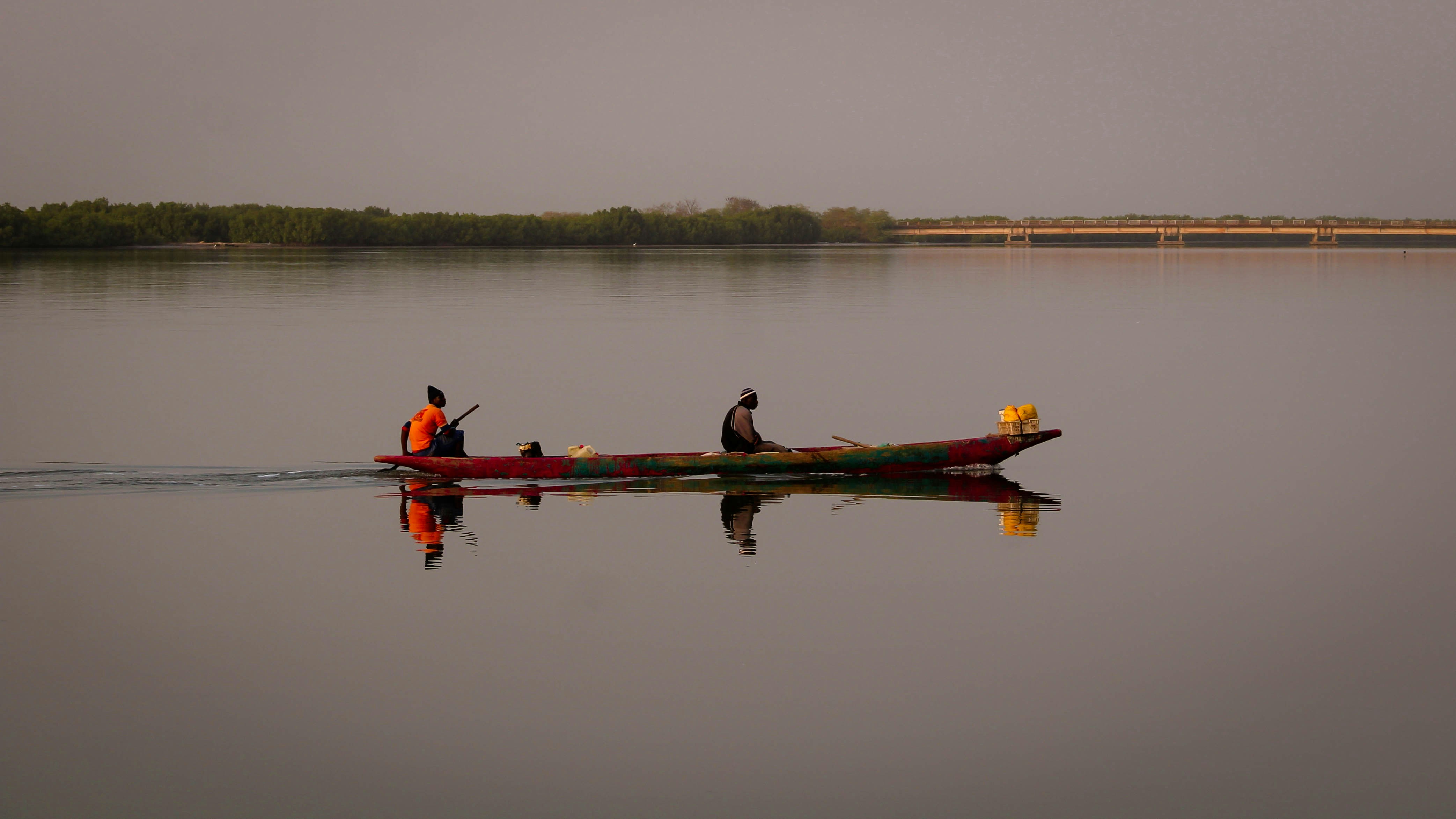
Ziguinchor, Senegal · Photo: Sweder Breet / Unsplash
Overview
Lower Casamance is one of the greenest parts of Senegal — a land of rice paddies, palm groves, mangrove channels and Atlantic beaches. The Jola (Diola) people, renowned rice farmers, give the region much of its character, alongside a long history of exchange along the Casamance River.
Places and traditions we can describe with confidence. Opening hours, fees and access change — always confirm locally.
The regional capital on the Casamance River.
Long Atlantic beaches near the border with Guinea-Bissau.
A Jola town known for its traditional kingship.
A historic island at the mouth of the Casamance River.
A town of the Fogny, north of the river.
The region spans the lower Casamance River and its estuary, between The Gambia to the north and Guinea-Bissau to the south.
Jola communities have cultivated rice in the mangrove-fringed lowlands for centuries, using sophisticated paddy techniques. Aline Sitoé Diatta, born in Kabrousse, is honoured as a heroine of resistance to colonial rule; the ferry linking Dakar and Ziguinchor bears her name.
Rice is the heart of the Casamance table. Yassa — onions, lemon and marinated chicken or fish — is widely associated with Casamance, and palm oil, oysters from the mangroves and fresh fish shape local cooking.
Editorial research in progress
What this section will cover: Mangroves, bolongs (tidal creeks), forests and Atlantic beaches.
We publish only what we have verified. This section will appear once our editors complete their research.
Village life in Lower Casamance is organised around the rice-growing calendar. Our editorial team is preparing profiles of community-led experiences in the area.
Ziguinchor can be reached from Dakar by the overnight ferry, by road, or by air (check current scheduled services).
Road conditions, ferry schedules and journey times change — we do not publish fixed durations. Confirm with your transport provider, guide or accommodation shortly before travel.
The south receives considerably more rain than the north of the country, and its rainy season tends to start earlier and last longer. That rainfall feeds the rice paddies, forests and mangroves that make the region so green.
The dry season, roughly November to May, is the most practical time for exploring by road and river.
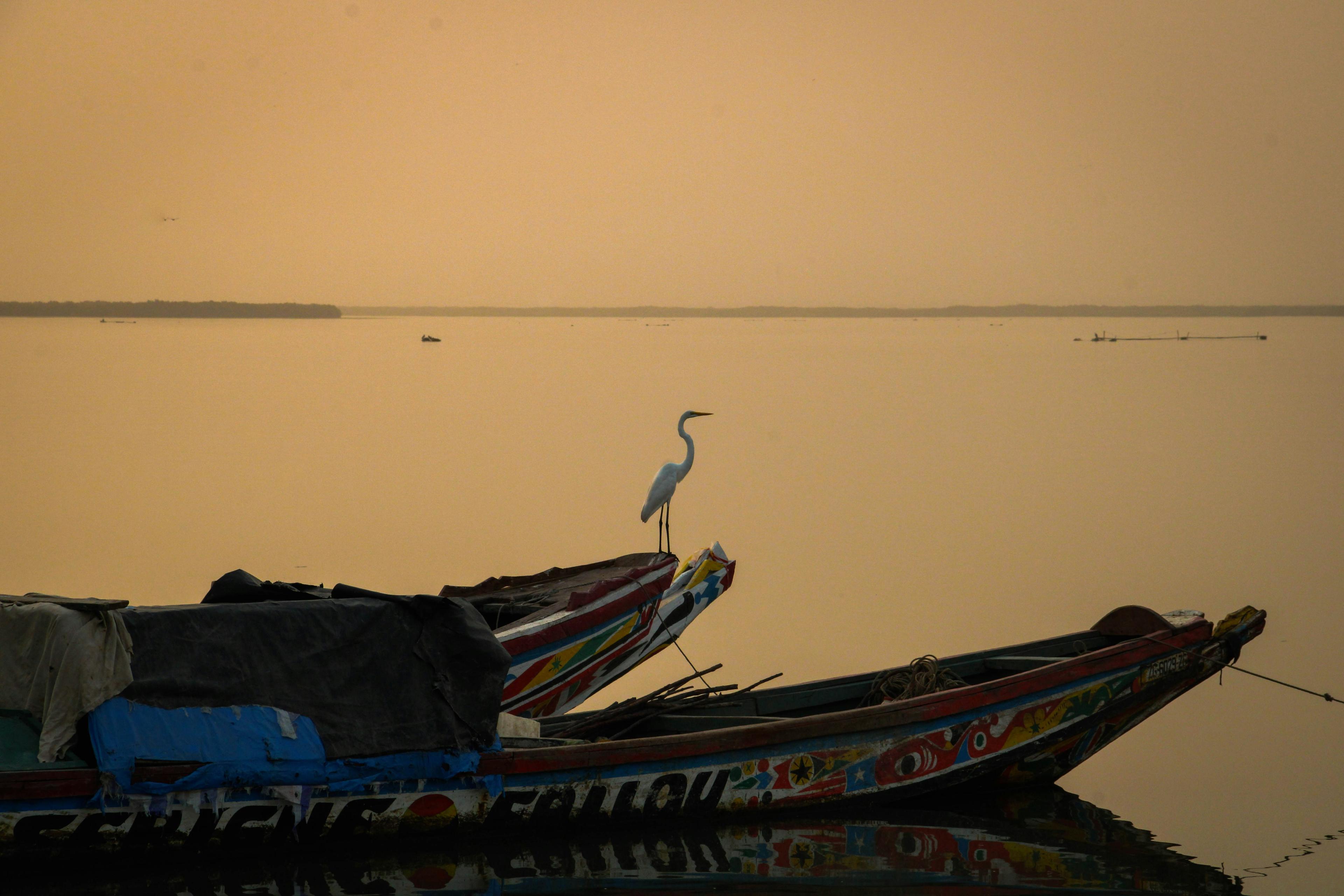
Ziguinchor, Senegal · Photo: Sweder Breet / Unsplash
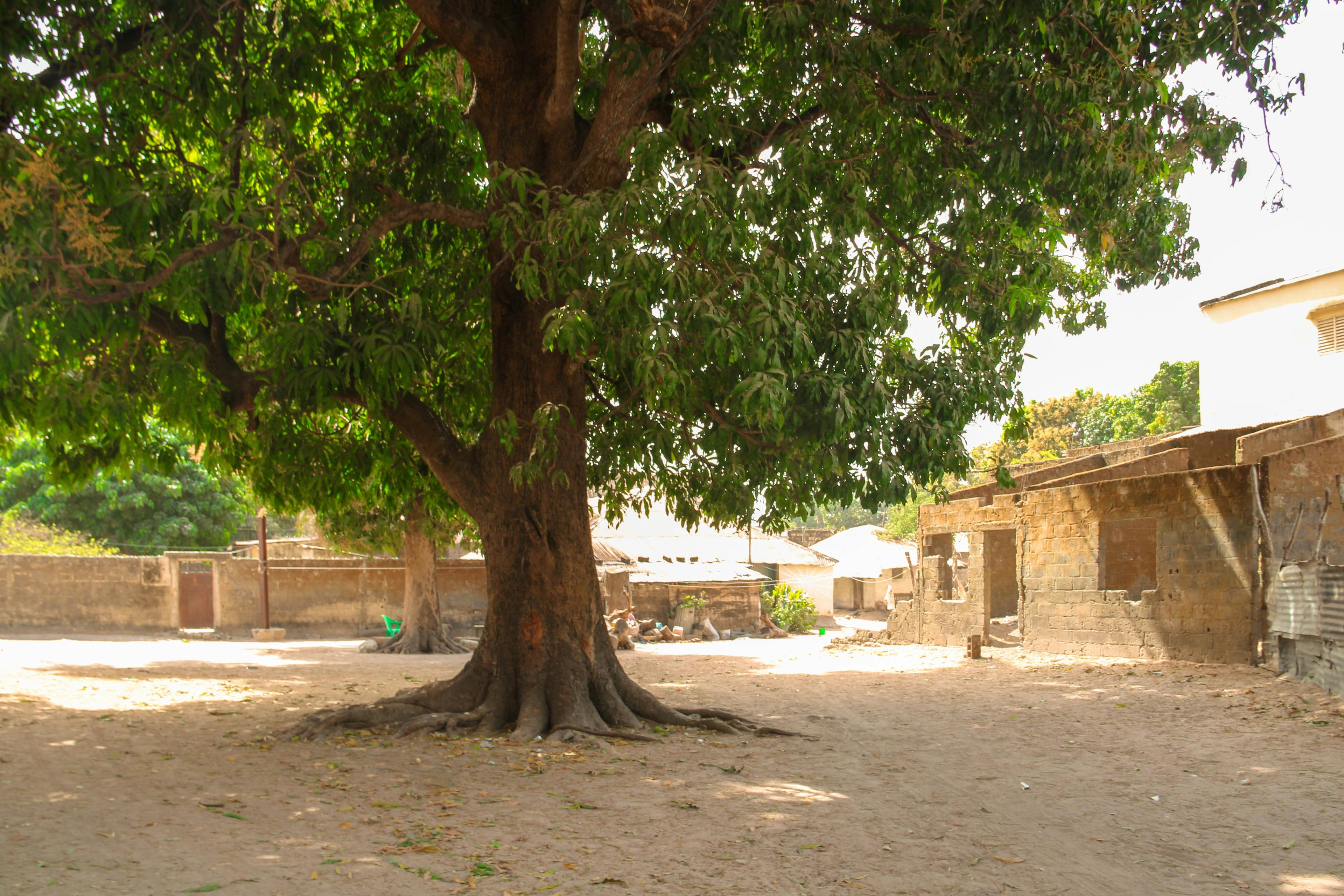
Ziguinchor, Senegal · Photo: Sweder Breet / Unsplash
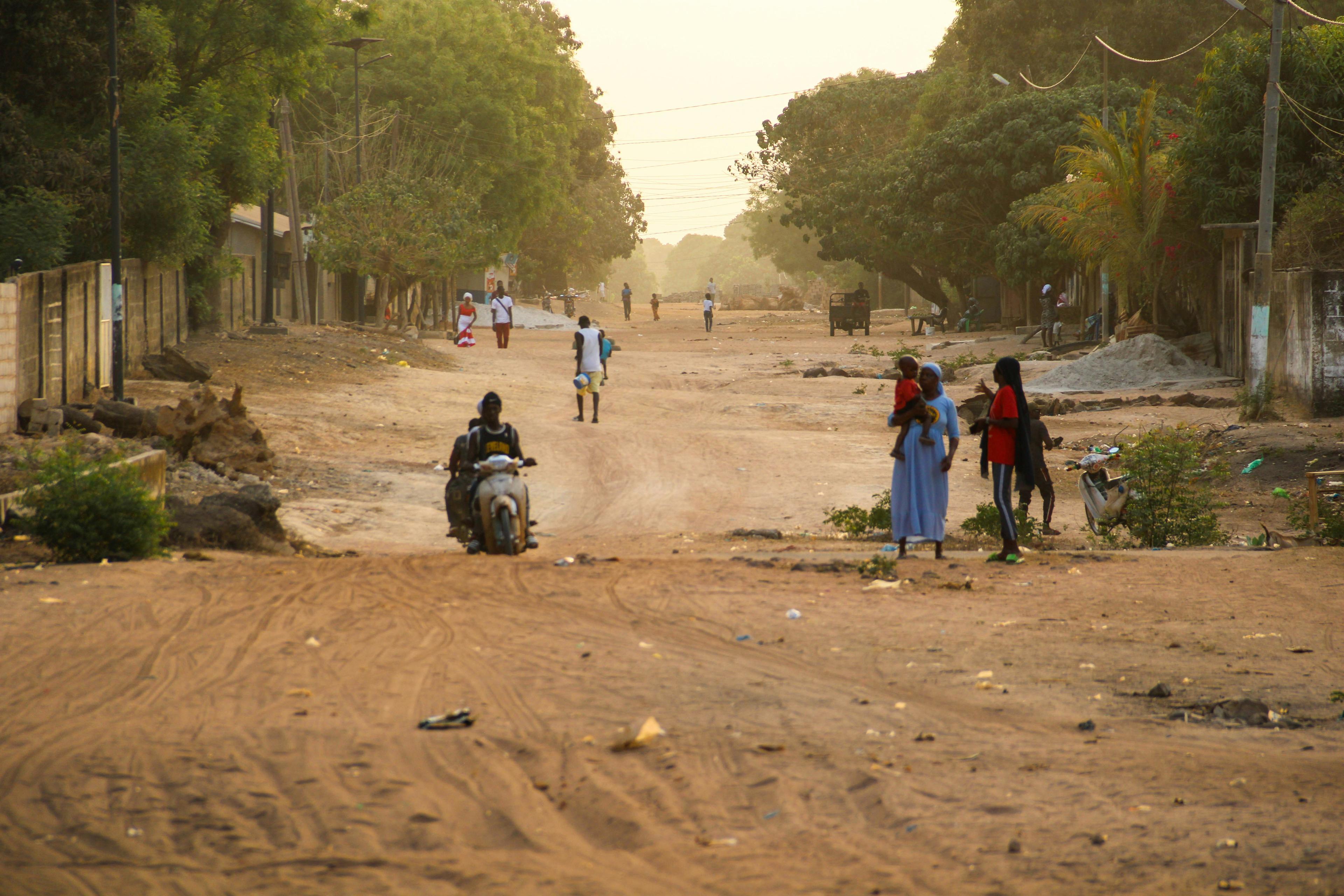
Bignona, Senegal · Photo: Sweder Breet / Unsplash
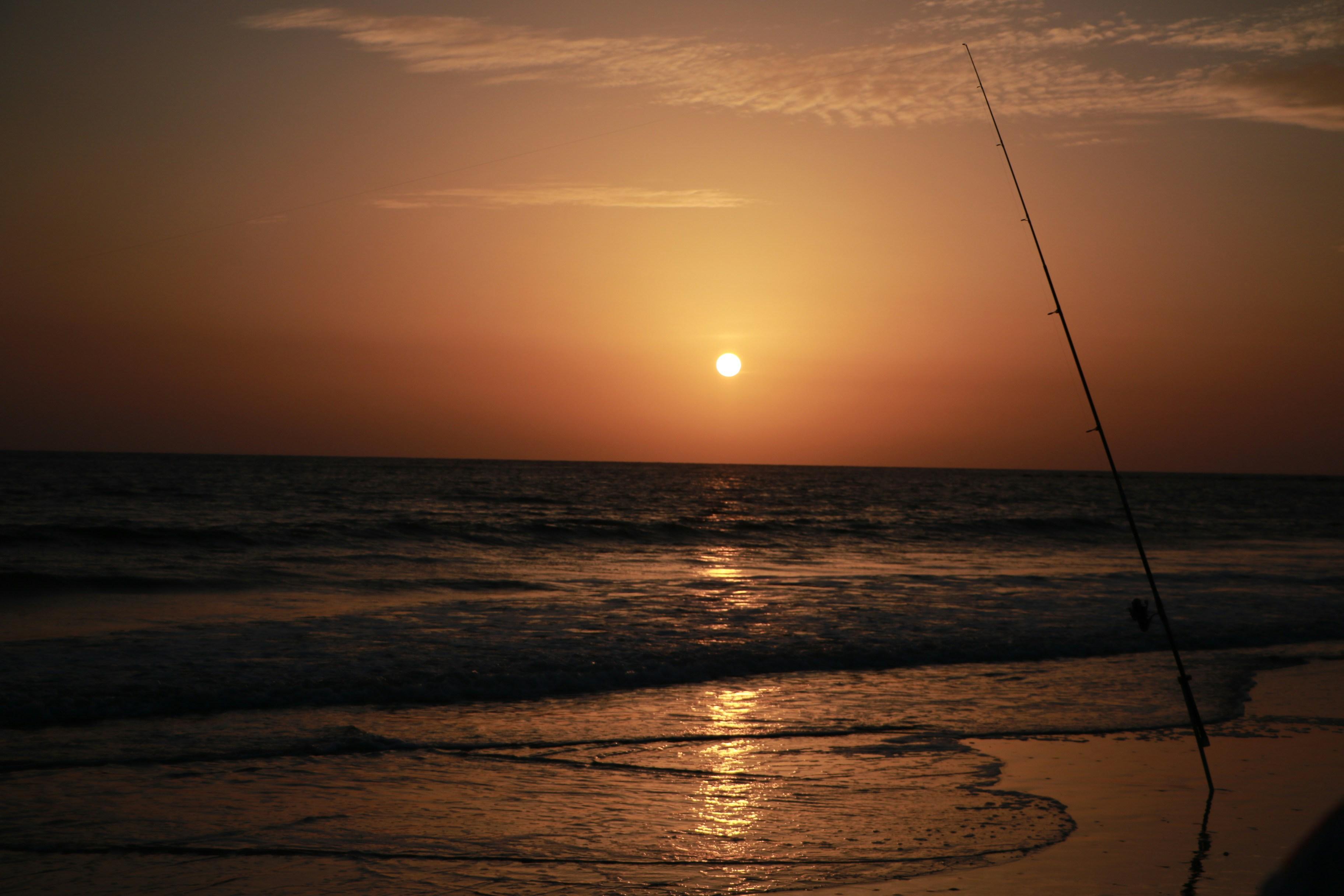
Cap Skirring, Senegal · Photo: Ny Antsa Rakotomalala / Unsplash
Abéné
A coastal village in Lower Casamance, known for its music and dance festival traditionally held around the turn of the year.
Bignona
A town of the Fogny, north of the Casamance River, and capital of the department of the same name.
Cap Skirring
Long Atlantic beaches in the far south-west of Senegal, near the border with Guinea-Bissau.
Carabane
A historic island at the mouth of the Casamance River.
Kafountine
A fishing town on the Atlantic coast of Lower Casamance, north of the Casamance River.
Oussouye
A Jola (Diola) town in Lower Casamance known for its traditional kingship, surrounded by rice paddies and forest.
Ziguinchor
The capital of Lower Casamance, on the Casamance River. It can be reached from Dakar by the overnight ferry, by road or by air.
The Ziguinchor region is divided into 3 departments. Our gazetteer lists 773 towns, villages and natural sites here.
Search towns & villages in Ziguinchor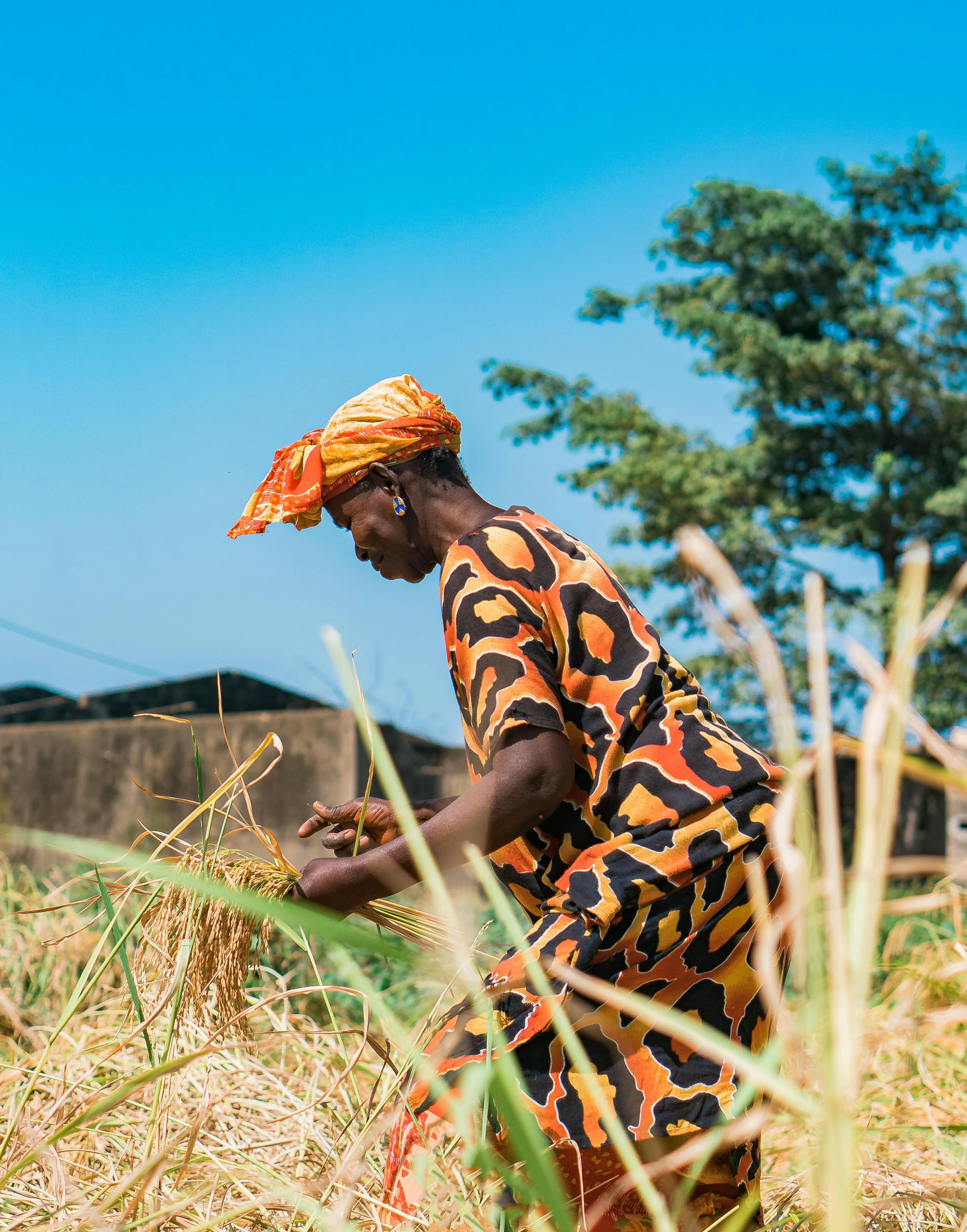
Village Experiences
Price not yet confirmed
DetailsWe have not yet verified accommodation partners in Ziguinchor. You can search available properties with an external booking provider; your booking is made with and confirmed by that provider.
Search stays in Ziguinchor on Booking.comPeople and local stories from Ziguinchor will be published with their permission as our partner network grows.
Next region: KaolackLa traduction française de nos contenus éditoriaux est en cours. Certains textes s'affichent encore en anglais.