
Geography
The region runs along the lower Senegal River, which forms the border with Mauritania. It includes the delta around Saint-Louis and extends upriver towards Dagana, Richard-Toll and Podor.
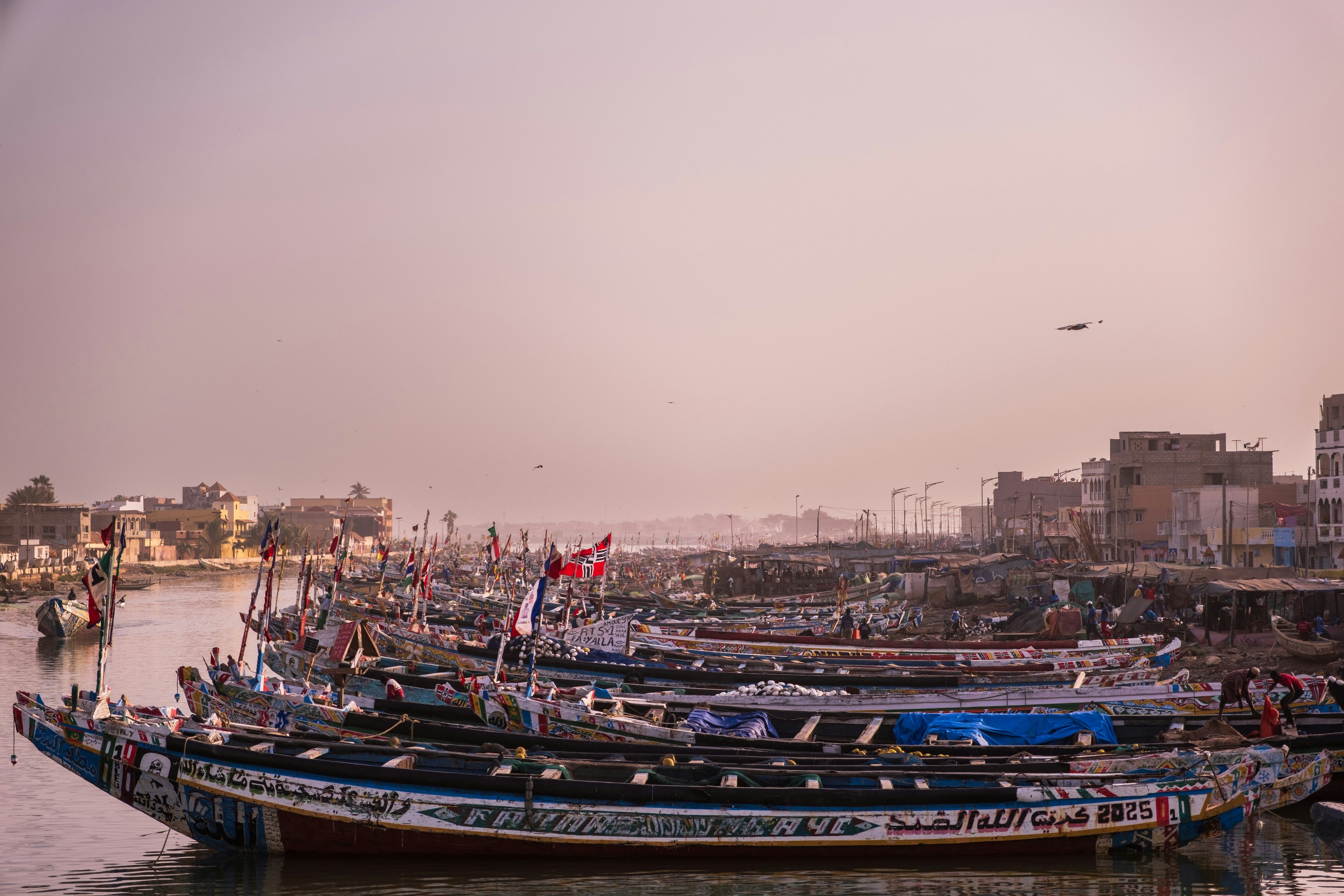
Saint-Louis, Senegal · Photo: Baptiste Riethmann / Unsplash
Overview
Built on a narrow island in the Senegal River near its meeting with the Atlantic, the city of Saint-Louis was the capital of the colony of Senegal and, for a time, of French West Africa. Its historic centre is a UNESCO World Heritage Site. Around it lie the Langue de Barbarie, the wetlands of Djoudj and, upriver, the towns of the Senegal River valley.
Places and traditions we can describe with confidence. Opening hours, fees and access change — always confirm locally.
A UNESCO World Heritage Site (2000) of colonial-era streets and balconied houses.
The iron bridge linking the island to the mainland, a symbol of the city.
A lively fishing quarter on the Langue de Barbarie with a vast fleet of painted pirogues.
A UNESCO World Heritage wetland on the river delta, important for migratory birds.
A sand spit and estuary between river and ocean.
A river town in the Fouta, upstream along the Senegal River.
The region runs along the lower Senegal River, which forms the border with Mauritania. It includes the delta around Saint-Louis and extends upriver towards Dagana, Richard-Toll and Podor.
Founded as a French trading post in the seventeenth century, Saint-Louis became the administrative capital of the colony of Senegal and was a centre of the métis signare society. Its historic island centre was inscribed on the UNESCO World Heritage List in 2000.
Saint-Louis is widely held to be the birthplace of ceebu jën — the national dish of rice and fish — and the city's cooks are still celebrated for it. In 2021 the culinary art of ceebu jën was inscribed on UNESCO's Representative List of the Intangible Cultural Heritage of Humanity.
The delta landscapes of Djoudj and the Langue de Barbarie contrast with the drier Sahelian country upriver. Djoudj was inscribed on the UNESCO World Heritage List in 1981.
Editorial research in progress
What this section will cover: Rice-growing communities of the river valley and the Waalo heritage around Richard-Toll and Dagana.
We publish only what we have verified. This section will appear once our editors complete their research.
Saint-Louis is reached by road from Dakar via Thiès and Louga. Saint-Louis also has an airport; check current scheduled services before planning around it.
Road conditions, ferry schedules and journey times change — we do not publish fixed durations. Confirm with your transport provider, guide or accommodation shortly before travel.
Like the rest of Senegal, the region has a long dry season and a shorter rainy season (roughly July to October, with the heaviest rains usually in August and September). Most visitors come during the dry months, when roads are easiest and humidity is lower; the cooler Atlantic trade winds make the coast especially comfortable from December to April.
Dates of religious and cultural events follow the lunar calendar or organisers' announcements and shift each year — always confirm before you travel.
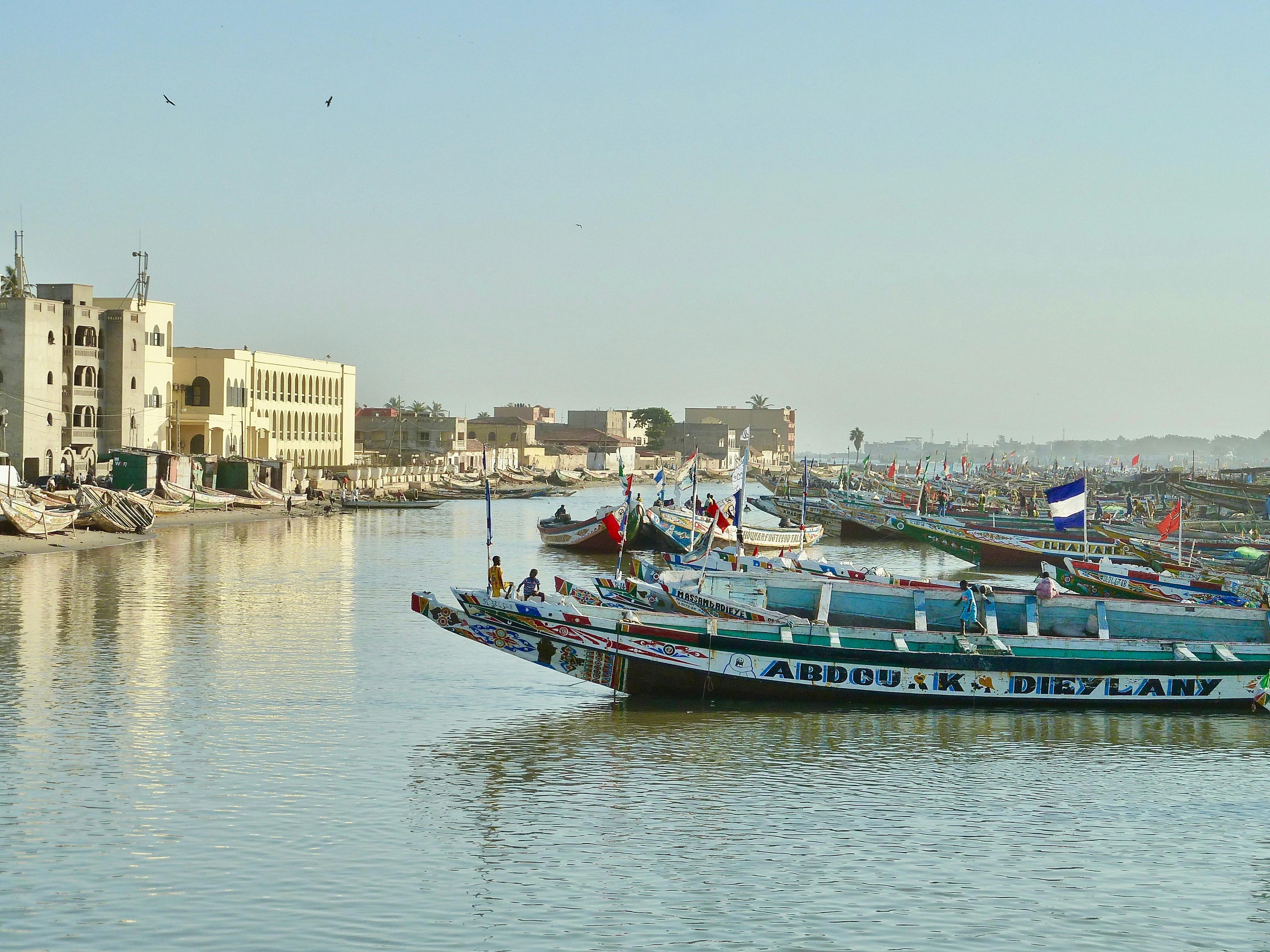
Saint-Louis, Senegal · Photo: E. Diop / Unsplash
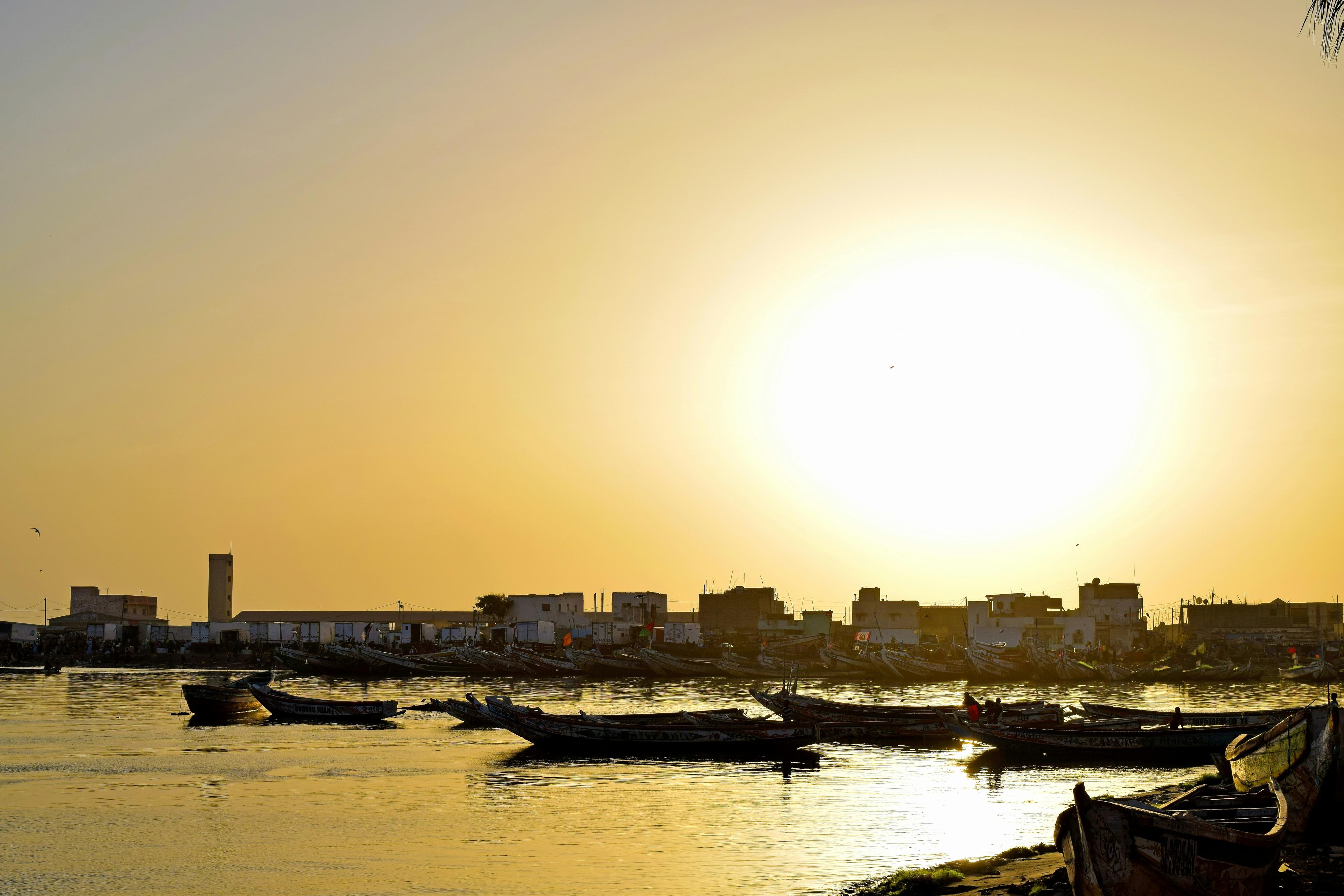
Guet Ndar, Saint-Louis, Senegal · Photo: Omoniyi David / Unsplash
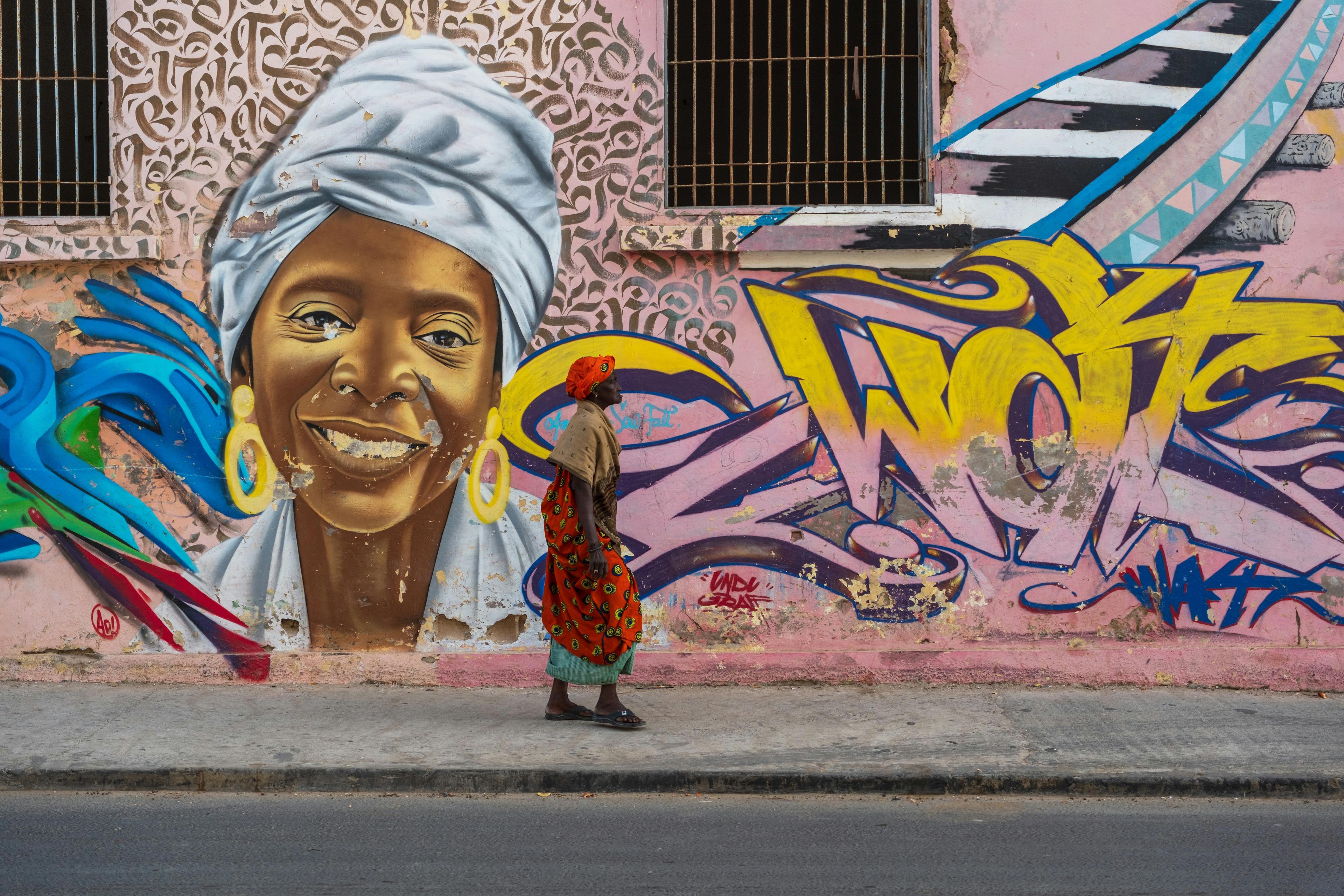
Saint-Louis, Senegal · Photo: Baptiste Riethmann / Unsplash
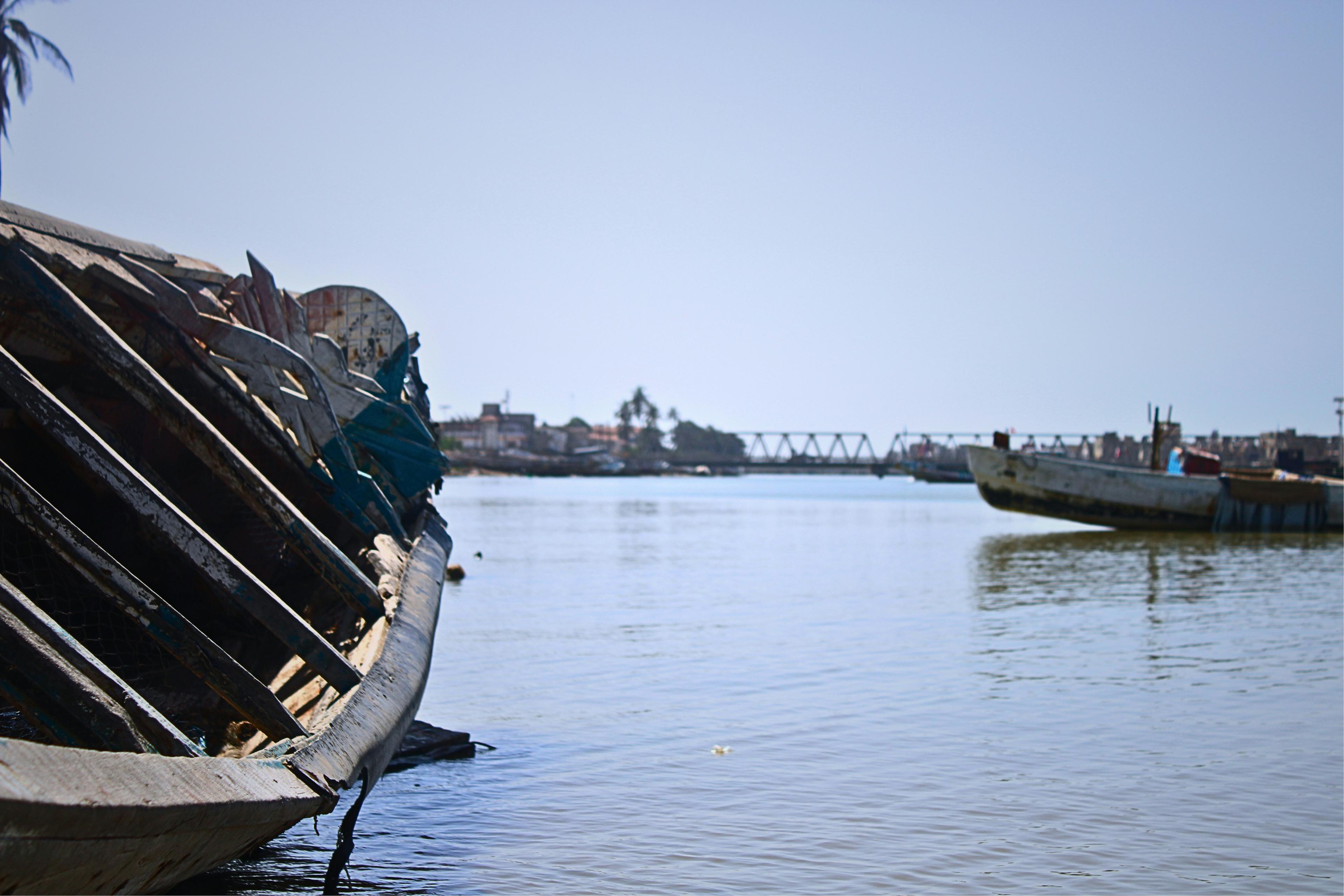
Saint-Louis, Senegal · Photo: Youssoupha Kante / Unsplash
Djoudj National Bird Sanctuary
A wetland in the Senegal River delta inscribed on the UNESCO World Heritage List in 1981, important for migratory birds.
Guet Ndar
The fishing quarter of Saint-Louis on the Langue de Barbarie, home to one of the largest fleets of painted pirogues on the West African coast.
Langue de Barbarie
A long sand spit between the Senegal River and the Atlantic at Saint-Louis, partly protected as a national park.
Podor
A river town on the Senegal River in the Fouta Toro, upstream from Saint-Louis.
Richard-Toll
A town on the Senegal River in the Waalo, at the centre of Senegal's sugar-cane growing area.
Saint-Louis
Built on a narrow island in the Senegal River near its mouth, Saint-Louis was the capital of the colony of Senegal and, for a time, of French West Africa. Its historic centre was inscribed on the UNESCO World Heritage List in 2000.
The Saint-Louis region is divided into 3 departments. Our gazetteer lists 584 towns, villages and natural sites here.
Search towns & villages in Saint-Louis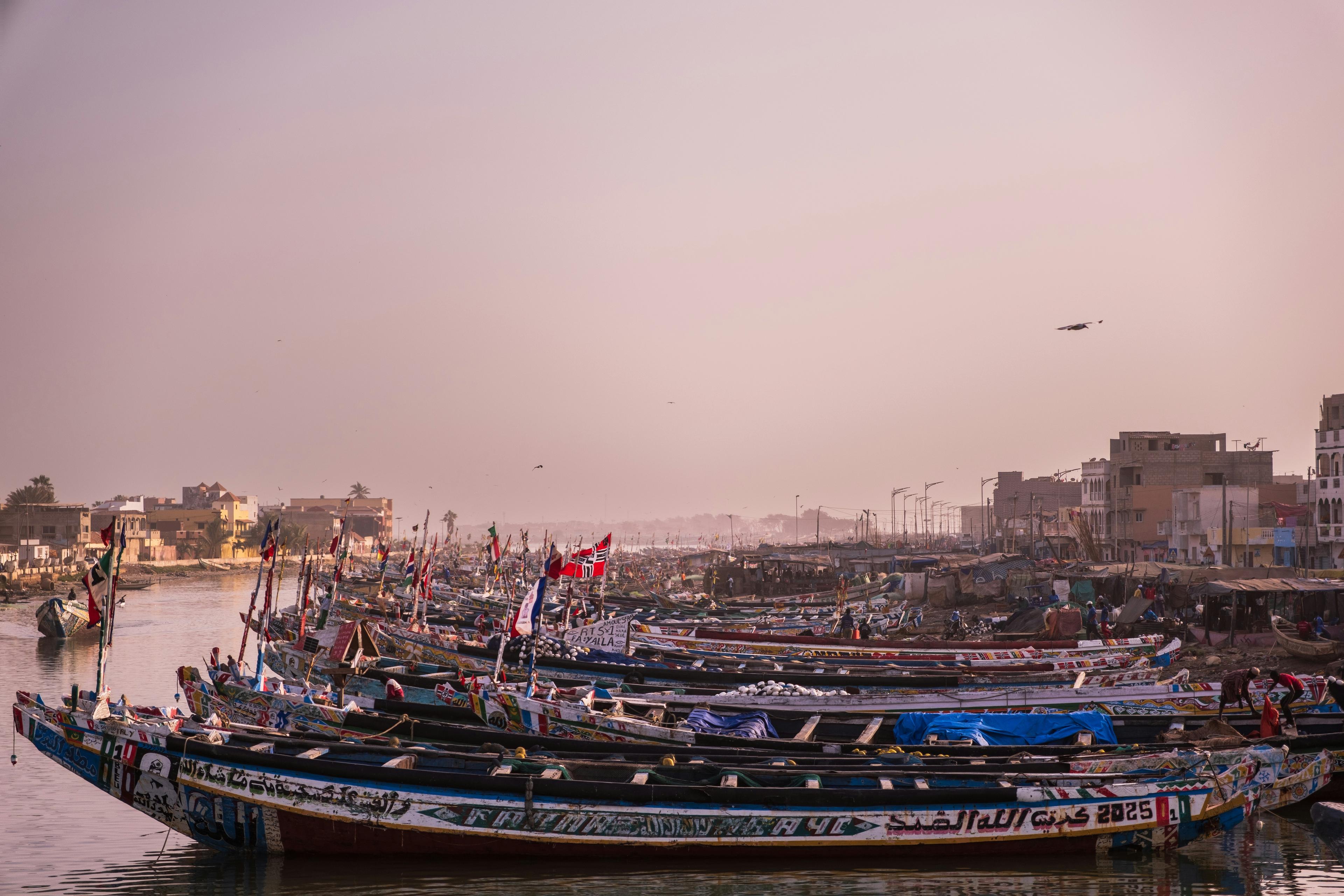
Food & Culinary
Price not yet confirmed
DetailsCultural Tours
Price not yet confirmed
DetailsWe have not yet verified accommodation partners in Saint-Louis. You can search available properties with an external booking provider; your booking is made with and confirmed by that provider.
Search stays in Saint-Louis on Booking.com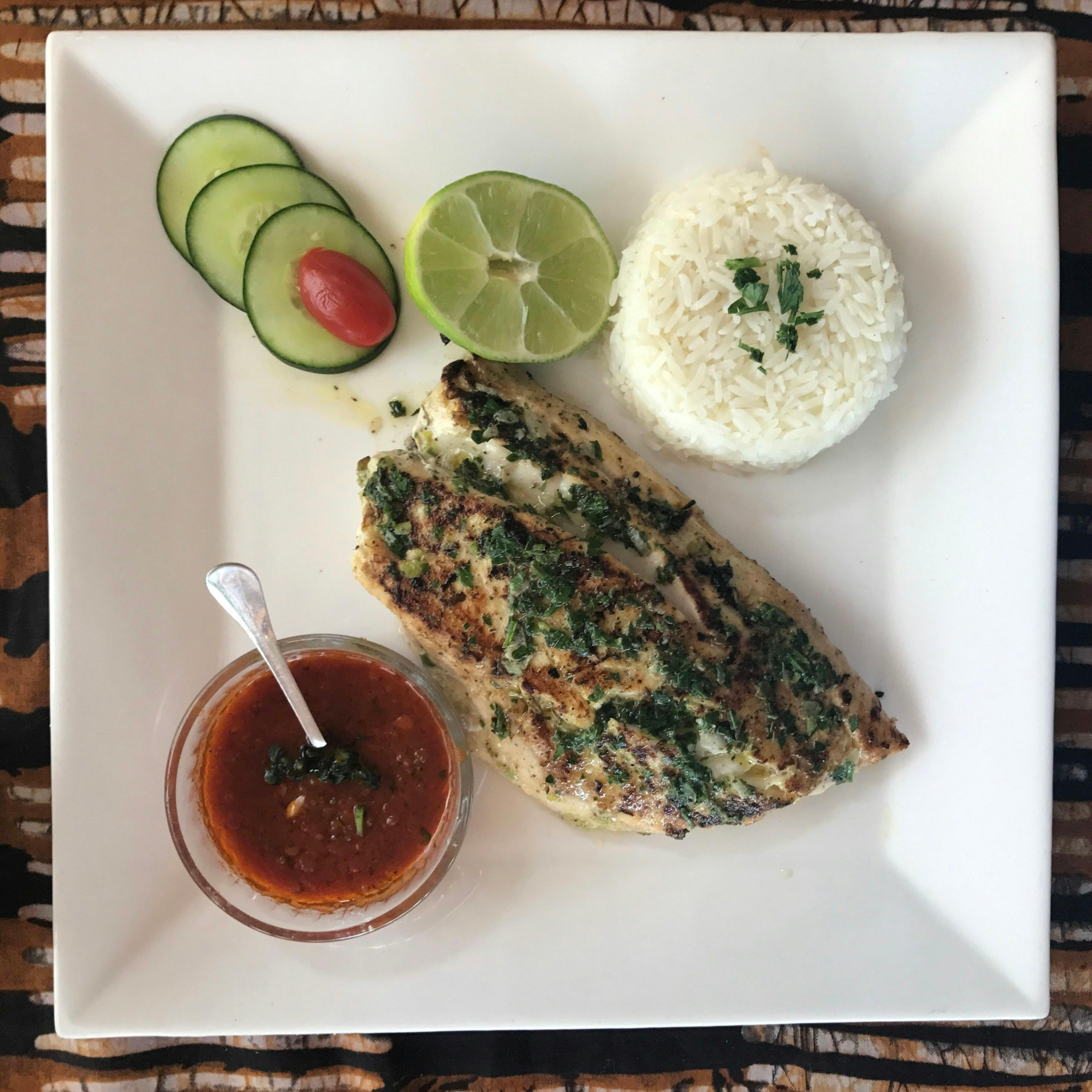
People and local stories from Saint-Louis will be published with their permission as our partner network grows.
Next region: LougaLa traduction française de nos contenus éditoriaux est en cours. Certains textes s'affichent encore en anglais.